Solar Manager EMS: How a Solar Energy Management System Works

A solar manager is an energy management system (EMS) that measures your PV generation, battery and loads at defined meter points and actively steers them toward one goal — using more of your own solar power. It is not just a monitoring dashboard: it closes the loop between measurement, analysis and control.
It reads live values from your PV inverter, battery, grid meter and controllable loads (heat pump, EV charger, hot-water heater), then sends setpoints back to them. Concretely: it decides when to charge the battery, when to divert surplus solar into a load instead of exporting it cheaply, and when to draw from the grid. Measurement + analysis + control in one closed cycle is what separates an EMS from a plain monitoring app.
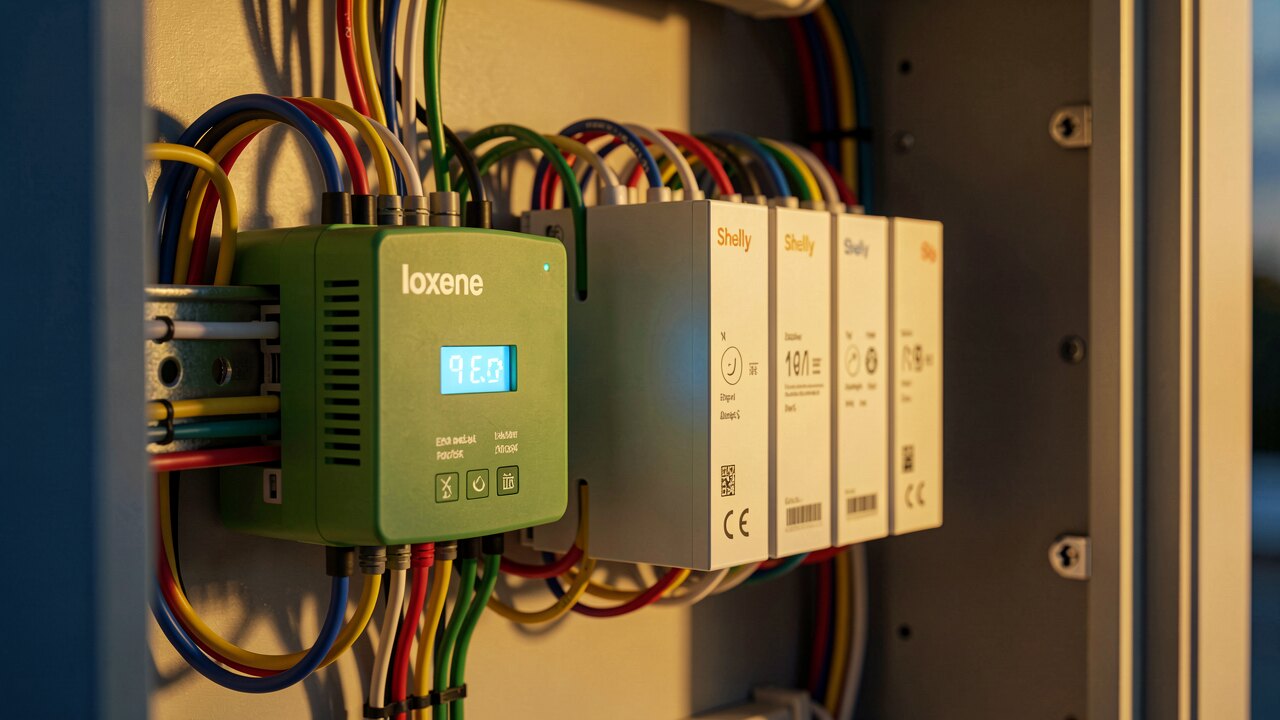
A monitoring portal only shows you what happened — kWh produced, self-consumption yesterday. A solar manager EMS goes further: reliable meter points and a clean data base let it act in real time. The decisive parts are the right control levers — peak loads, dynamic tariffs, surplus routing — not just prettier charts.
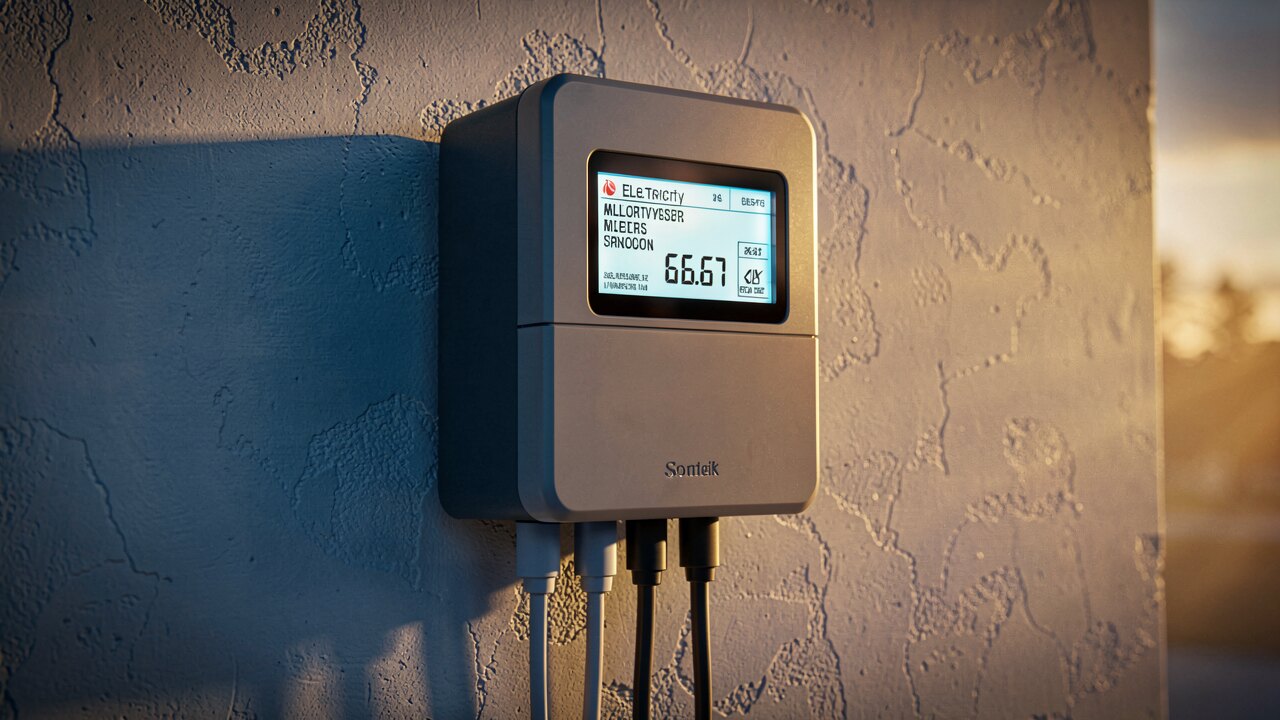
1) Metering: accurate submeters at PV, battery, grid and per-load. 2) A power setpoint controller that issues charge/discharge commands to the battery's PCS (power conversion system). 3) Load control to shift flexible consumers into solar-surplus windows. 4) In battery systems, a thermal link so the EMS can coordinate cooling with operation. Weak metering equals weak control — the data base decides how good the EMS can be.
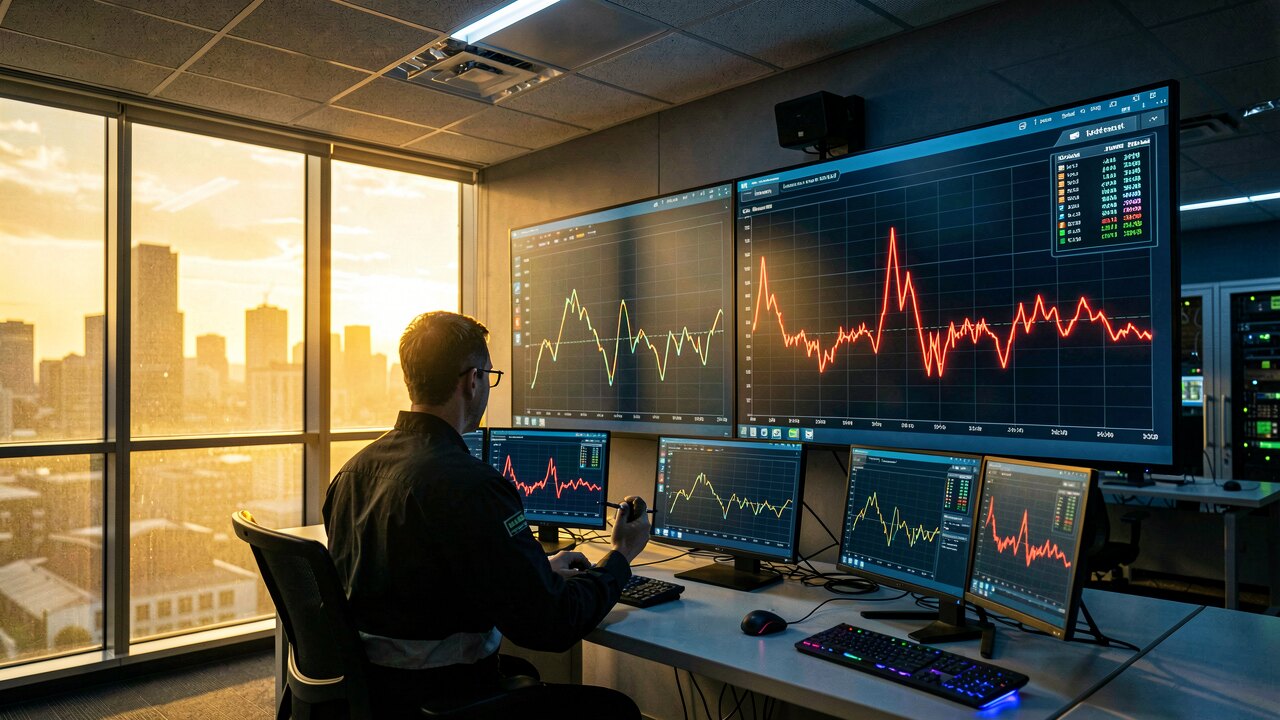
Yes, when it is fed good data and has real levers. Savings come from three mechanisms: higher self-consumption (using solar instead of exporting it at a low feed-in rate), tariff optimization (charging or running loads when grid power is cheap under a dynamic tariff), and peak shaving where a demand charge applies. Without controllable loads or a battery to steer, an EMS mostly informs rather than saves.
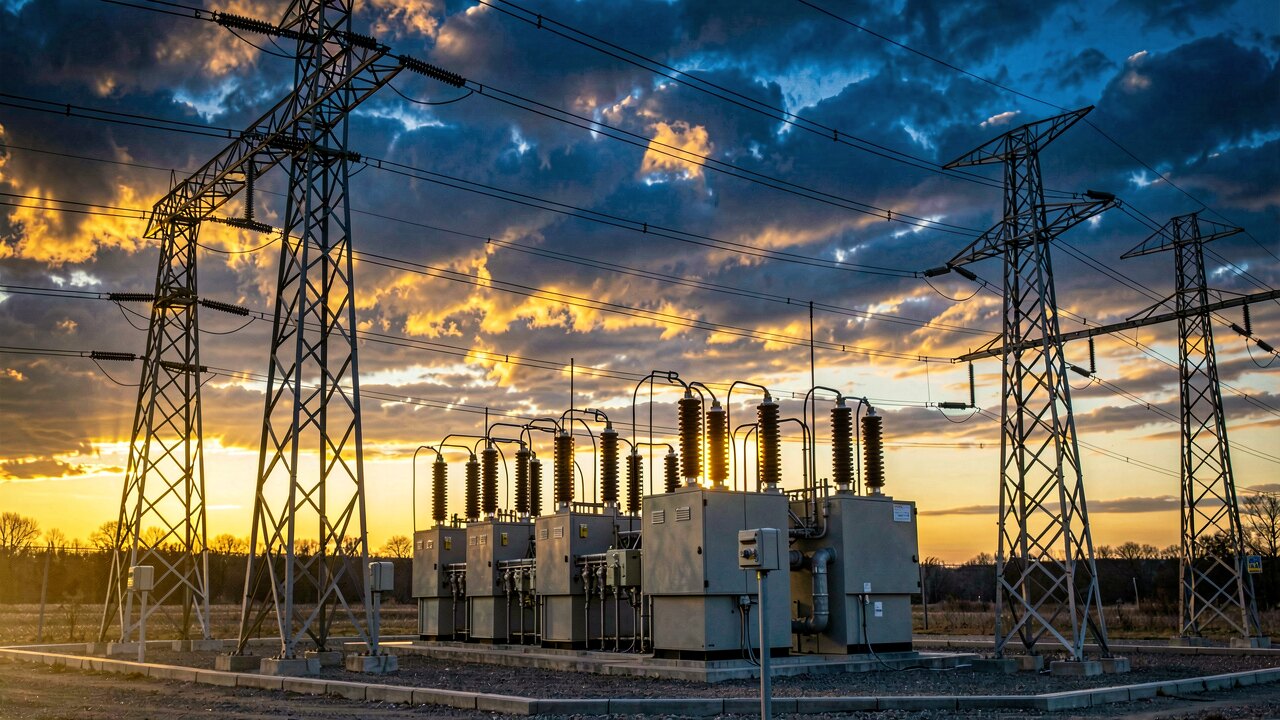
Think of it as the control center. It sits above the hardware and hands setpoints down: to the battery's PCS for charge/discharge, to the inverter, and to your flexible loads. In a battery, the EMS also talks to the thermal management system so charging and cooling stay coordinated. It orchestrates the components — it does not replace them.
Confirm it can both read and write to your specific inverter, battery and loads (protocol compatibility, not just a viewer). Check whether it supports dynamic tariffs if you have or plan one, and whether it exposes the meter points you need. A solar manager is only as strong as the devices it can actually control — clarify the integration list first.