Solar Nulleinspeiseanlage: What a Zero Feed-In PV System Is
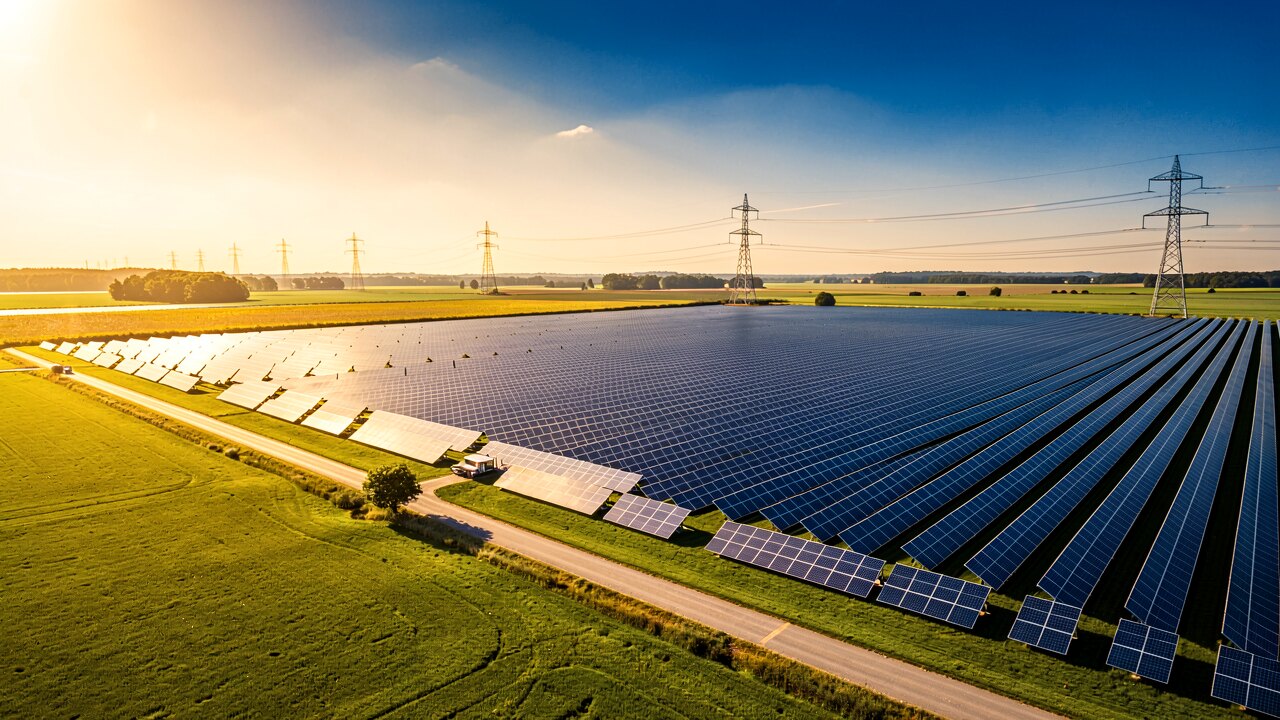
A "Nulleinspeiseanlage" is a solar system deliberately set up to export zero energy to the public grid — everything the panels produce is self-consumed or curtailed. A zero-export controller measures the flow at the grid connection point and throttles the inverter in real time so the meter never runs backward.
Zero feed-in (German: Nulleinspeisung) means the PV system supplies only your own loads and never pushes surplus power into the grid. A smart meter or CT sensor at the grid connection point continuously reads import/export; a controller then ramps the inverter down whenever production would exceed on-site demand, holding the feed-in at 0 kW. Physically nothing flows outward — so you receive no feed-in tariff, and any excess solar energy is simply not produced (curtailed) or stored in a battery.
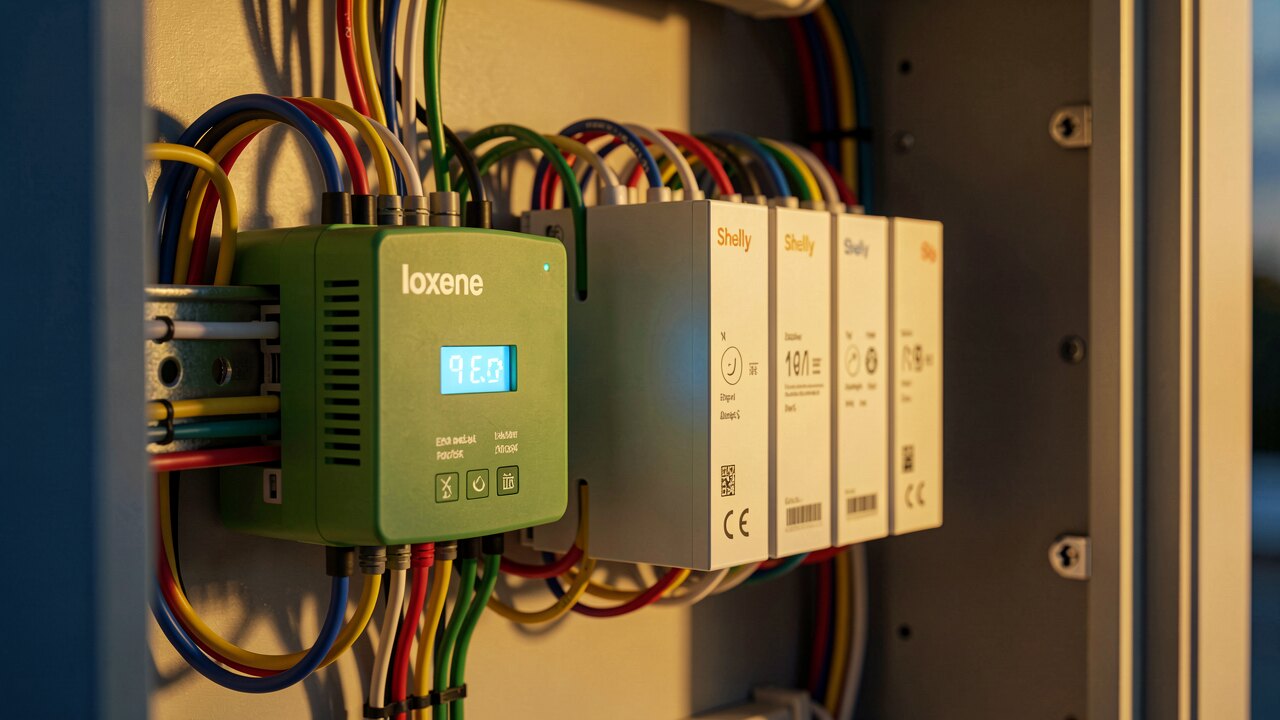
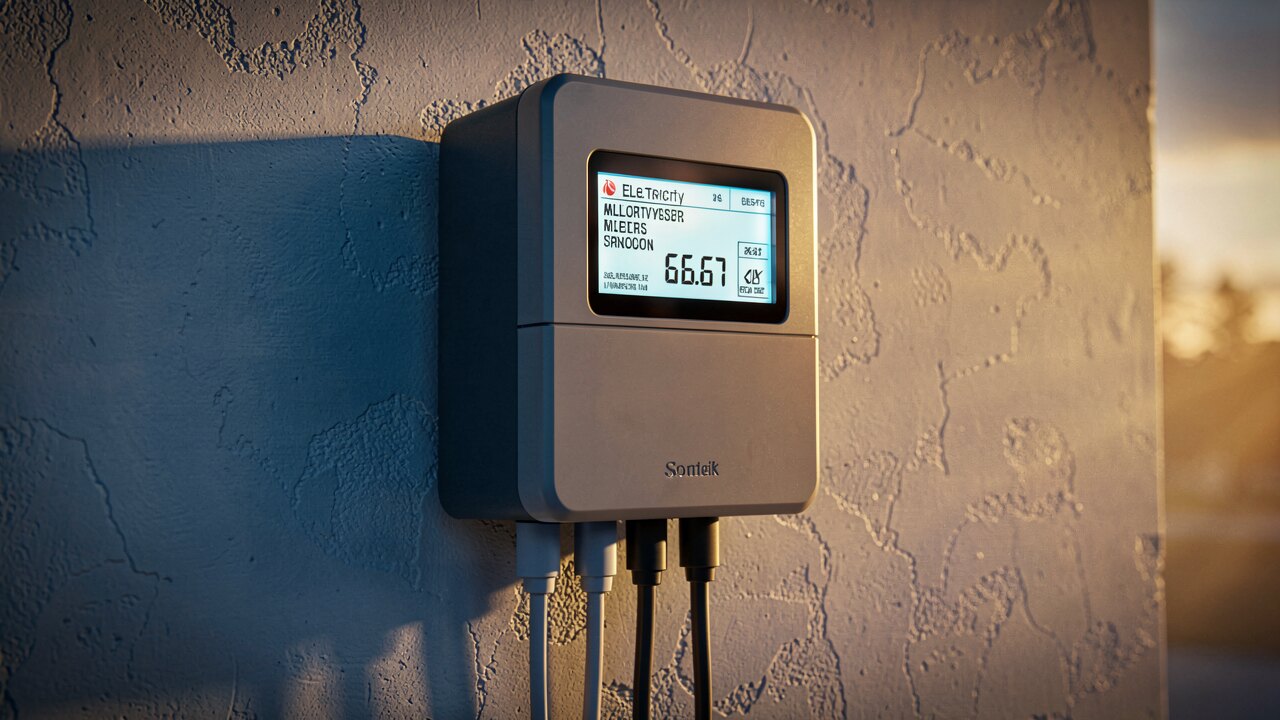
1) A meter or current transformer sits at the grid connection point and samples the balance many times per second. 2) The signal goes to the inverter or an energy manager via Modbus/RS485 or a dedicated zero-export box. 3) When on-site load drops, the controller reduces the inverter's active power output so export stays at zero, typically with a small safety margin (a few hundred watts) to absorb sensor delay. Add a battery and the surplus charges the storage instead of being curtailed, raising self-consumption.
Choose zero feed-in when: the grid operator caps or refuses export at your connection point; a feed-in permit is delayed but you want to power your own site now; you have high self-consumption (farms, workshops, cold stores) so exported surplus would be small anyway; or feed-in revenue is unattractive versus offsetting your own high grid-purchase price. It is usually a workaround, not the optimum — a battery almost always beats hard curtailment economically.
Partly. A registered PV generator still needs registration in the Marktstammdatenregister and coordination with the grid operator, even at zero export, because it is still a generation unit connected in parallel to the grid. What zero feed-in avoids is the feed-in metering path and the feed-in tariff — but it also means you forgo any Marktprämie or EEG remuneration entirely, since payment requires measured export.
Don't confuse the two. Zero feed-in is a permanent technical choice to never export. Separately, Germany's Solarspitzengesetz (BGBl 2025 I Nr. 51, §51 para. 1a EEG) removes the market premium for PV systems from 100 kWp during every single quarter-hour of negative spot prices, with no grace period, for units commissioned from 25 Feb 2025. That rule only bites if you DO export and claim the premium — a full zero feed-in system sidesteps it because there is no premium to lose.
Hard zero feed-in throws away every kilowatt-hour you can't use in the moment. A battery (BESS) captures that surplus, shifts it to evening/night use, and lets you buy less from the grid — turning curtailed energy into savings. For larger sites it can also enable controlled feed-in during profitable hours while still respecting an export cap. Sizing depends on your load profile; a self-consumption analysis shows how much a battery actually recovers.