Solar PV Concept & Planning Guide: Structure and Checklist
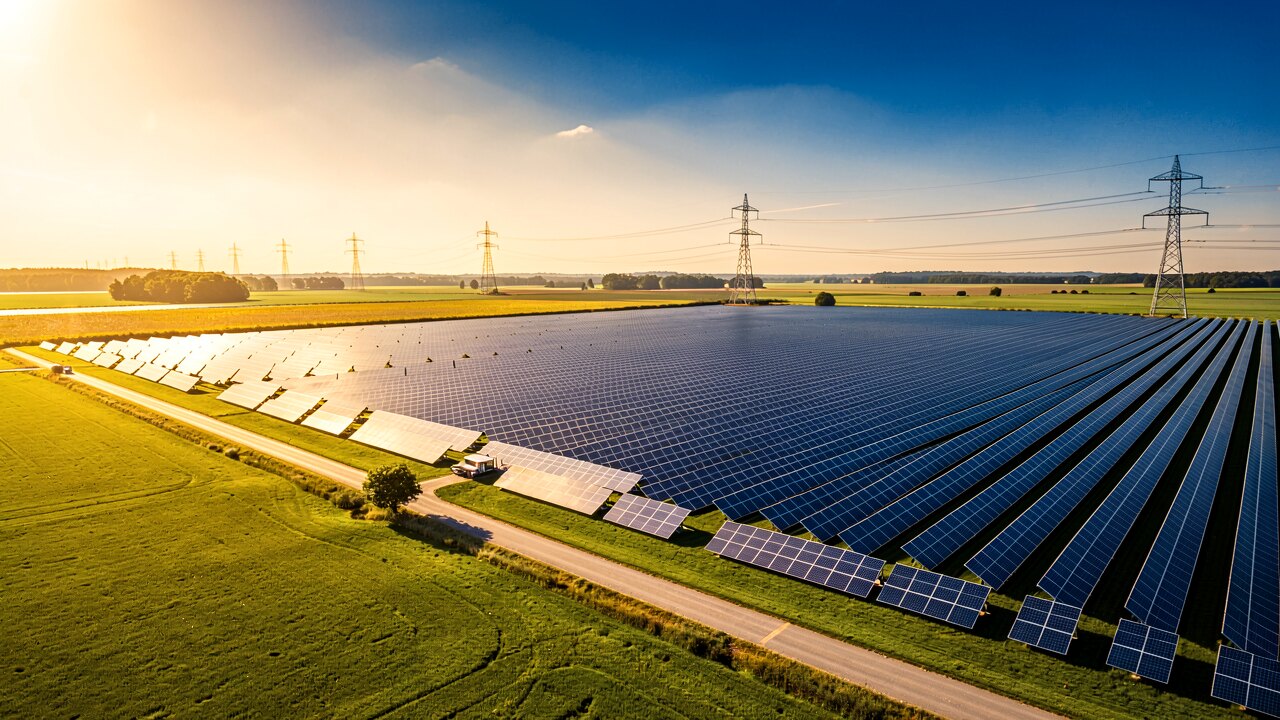
A photovoltaic concept (Konzept) is a concise planning document that defines the goal, scope and technical setup of a solar project before any hardware is ordered. Below you get its exact structure, a criteria checklist and the planning steps in order.
A PV concept is a written planning basis, not a full technical design. It states the intended goal (self-consumption, feed-in, or both), the roof or site area, the target installed capacity in kWp, the expected annual yield, and how the system connects behind the grid connection point. It is the document you hand to installers, grid operators and funding bodies so everyone works from the same assumptions.
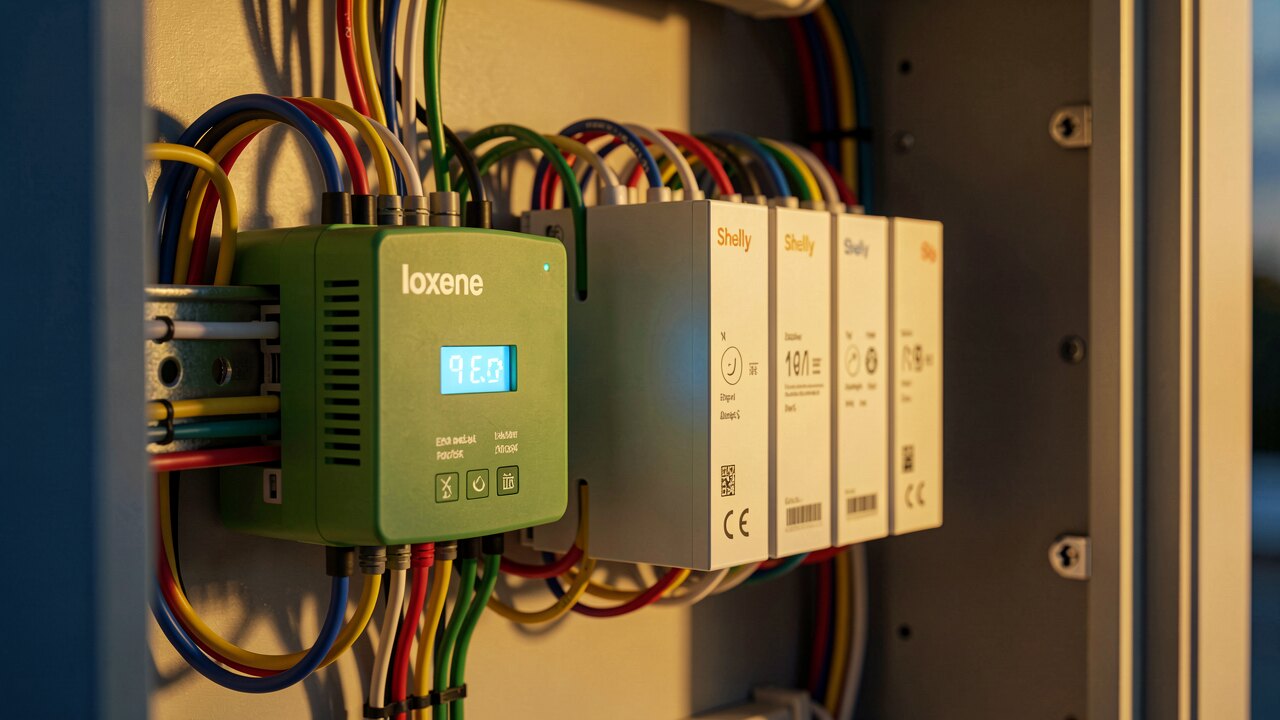
1) Objective and self-consumption target. 2) Site data: roof/ground area, orientation, tilt, shading. 3) Installed capacity (kWp) and expected annual yield (kWh). 4) Load profile: annual consumption and peak demand. 5) Metering and connection concept — how generators, loads and the grid hand-over point are arranged, especially if several generators or consumers sit behind one connection. 6) Optional storage (battery), plus a rough CO₂-avoidance and self-sufficiency estimate.
Work top-down: first fix the objective, then survey the site, then size capacity against your load profile — never the reverse. Only after that do you draft the single-line diagram and the metering concept. This sequence prevents the common error of buying panels first and discovering later that the connection point or metering setup cannot accommodate them.

You need a dedicated metering concept whenever more than one generator and/or more than one consumer sits behind a single grid connection point. It maps the topological and contractual assignment of generators, loads, hand-over points and billing parties. For a simple single-house rooftop system with one meter this can be minimal; for multi-party or mixed commercial sites it becomes the heart of the concept.
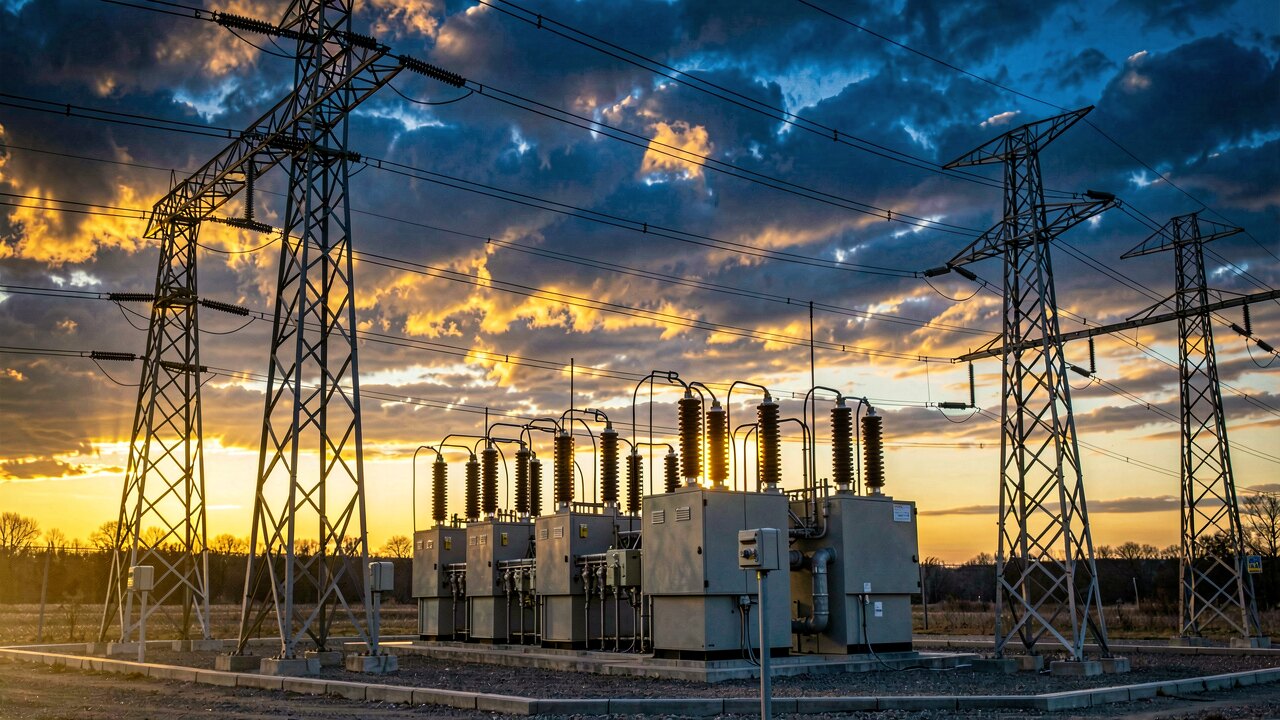
Before you call the concept complete, confirm: goal defined; site and shading documented; kWp and yield estimated; load profile attached; connection and metering clarified with the grid operator; storage decision made; and funding path checked. In Germany, KfW and BAFA programmes can in many cases be combined, and for larger cross-border investments EU programmes for renewables may apply — verify current conditions directly with the funding body.
A good concept is a few pages, not a thesis. Its job is to let a decision-maker say yes or no and to let an installer quote accurately. Use a facts panel (installed capacity, average feed-in power, peak grid draw, annual consumption) and one single-line diagram; leave detailed component selection and exact wiring to the later technical design phase.