Solar PV Reading: How to Read Your System's Numbers
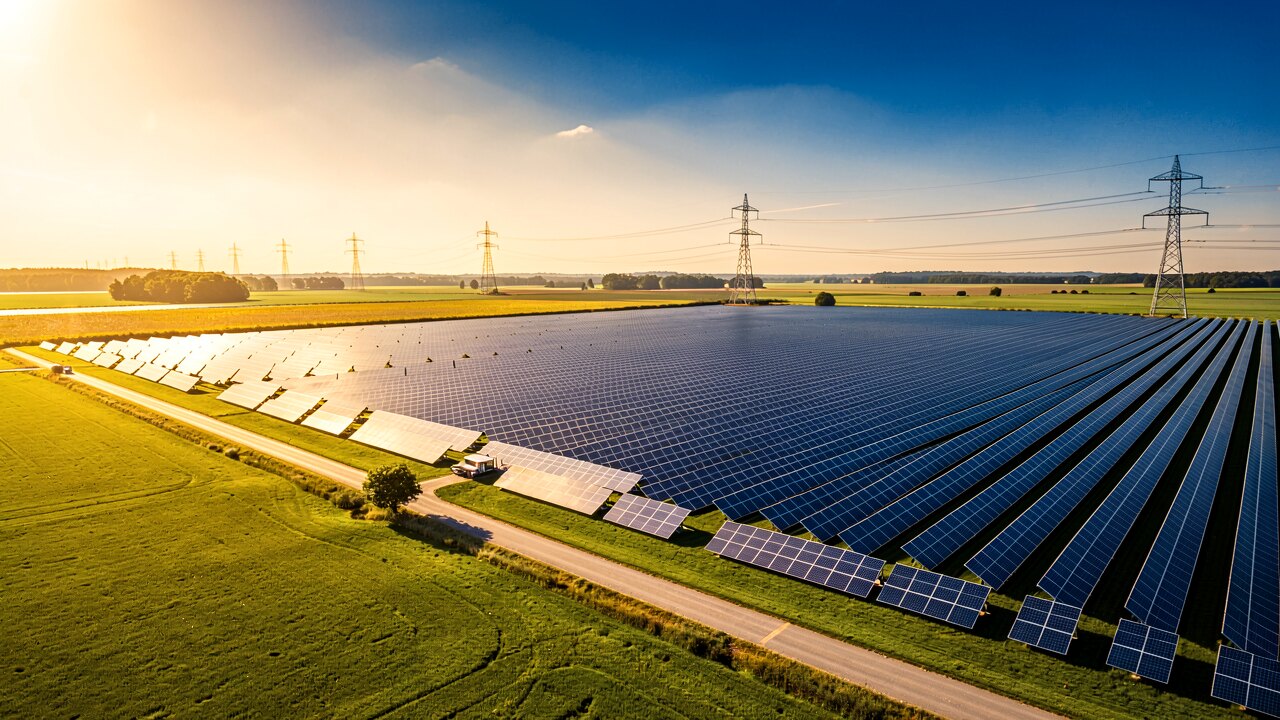
A "solar PV reading" is the figure your inverter, generation meter, or app shows for how much your panels have produced. Here is exactly what each number means and how to read it correctly.
Two different numbers get called a "reading." Instant power is measured in watts (W) or kilowatts (kW) and shows what your panels are producing right now — it moves with the sun and clouds. Cumulative energy is measured in kilowatt-hours (kWh) and only ever counts up; it is the total your system has generated since it was installed. Your bill and any export payments are based on kWh, not on the instant kW figure.
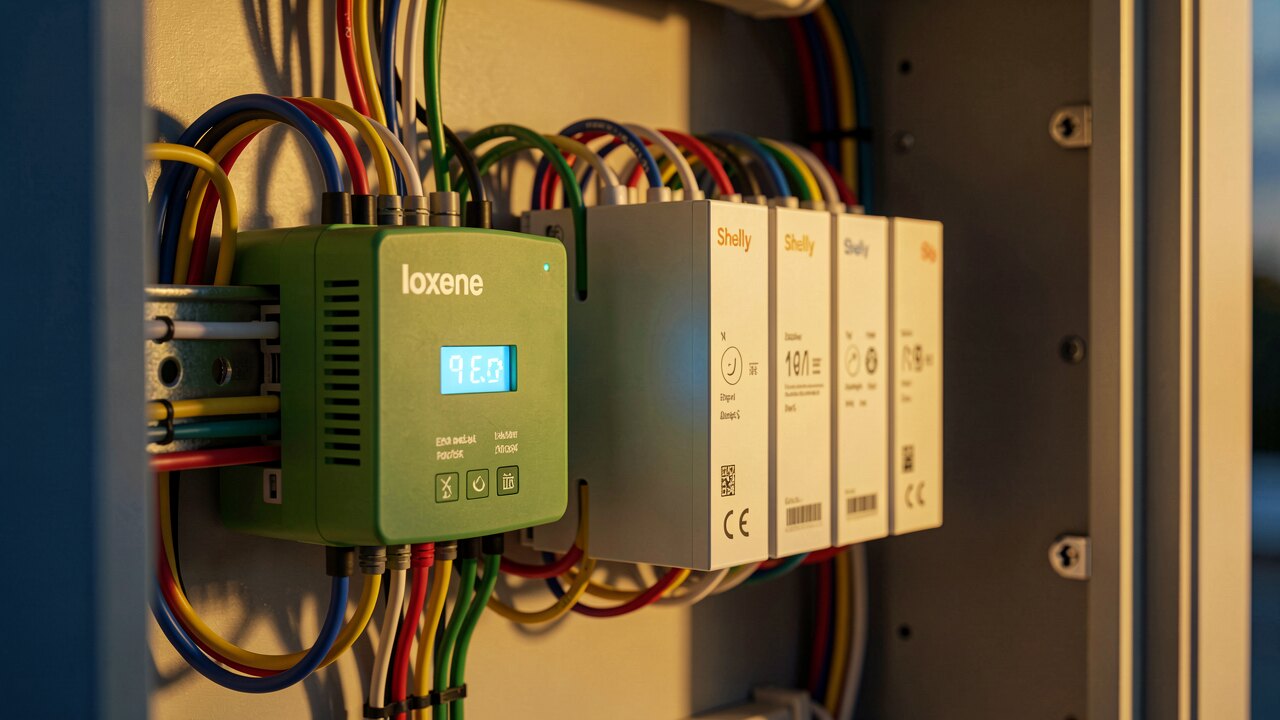
Find your generation (or "total generation") meter — usually a small box near your consumer unit or inverter. Read the large number to the left of the decimal point; it is in kWh and only increases. Write it down with the date. To find output for a period, subtract your previous reading from the current one: for example, 8,450 kWh today minus 8,300 kWh last month = 150 kWh generated. Ignore any red-boxed or decimal digits unless your supplier asks for them.
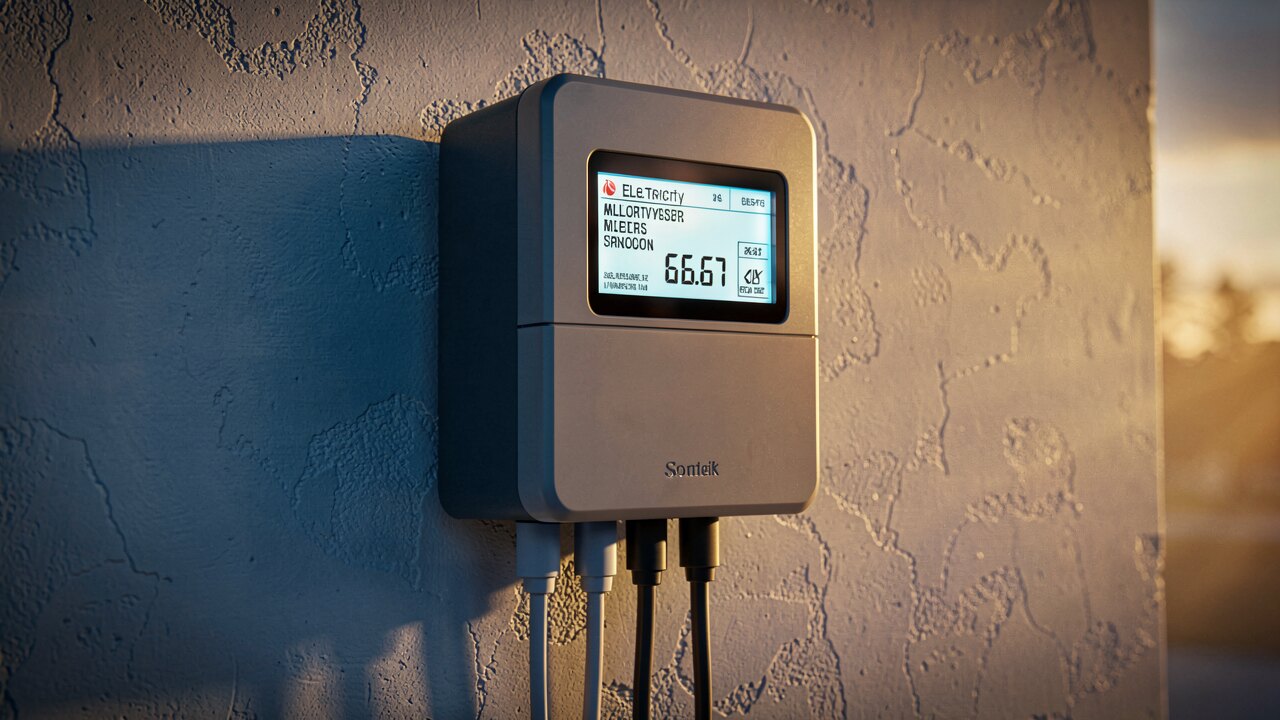
Most inverters show: current power (kW), today's energy (kWh), and lifetime energy (kWh or MWh). "Today" resets to zero each morning, so a low figure in the evening means a poor day, not a fault. If your inverter shows a fault code, a red/orange light, or 0 kW in full daylight, note the code and check the manual — that is a sign to investigate, not a normal reading.
As a rough guide, 1 kWp of well-sited panels produces about 800–1,000 kWh per year in Northern Europe and more in sunnier climates. On a clear midday, instant output should approach — but rarely exactly hit — your system's kWp rating (a 5 kWp system might peak around 4–4.7 kW). Consistently low midday output, or one string reading far below an identical one, points to shading, soiling, or a hardware issue.
Your generation meter shows everything the panels make. What you use in the house is "self-consumption"; the rest is exported to the grid and measured separately by an export meter (or estimated). So generation, consumption, and export are three different readings — don't assume your export equals your generation. Check which meter a number came from before comparing it to a bill or tariff statement.
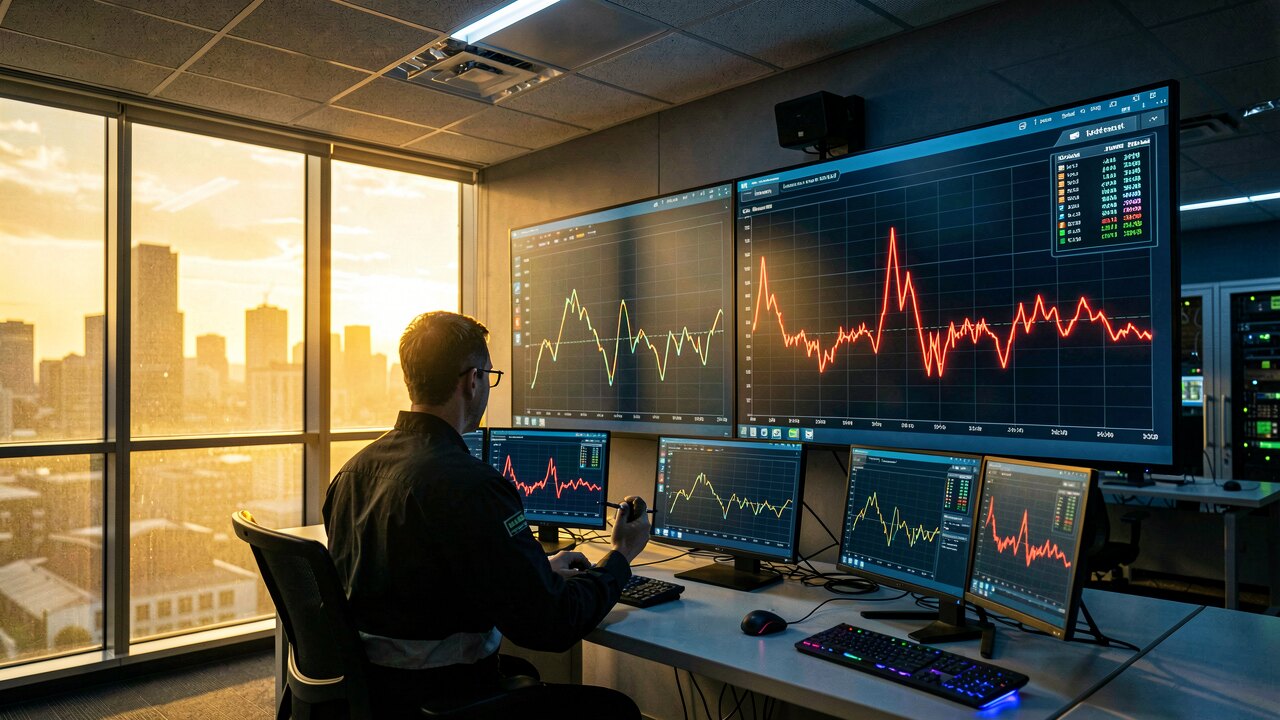
Small daily swings are normal — weather, season, and panel temperature all move the numbers. What matters is the trend against expectation. A plant that quietly under-produces loses money without any alarm, which is why continuous monitoring (expected vs. actual output) catches gaps a once-a-month manual reading would miss. Compare this month to the same month last year; a persistent double-digit percentage drop is worth investigating.