Solar Storage With Backup Power Function Explained
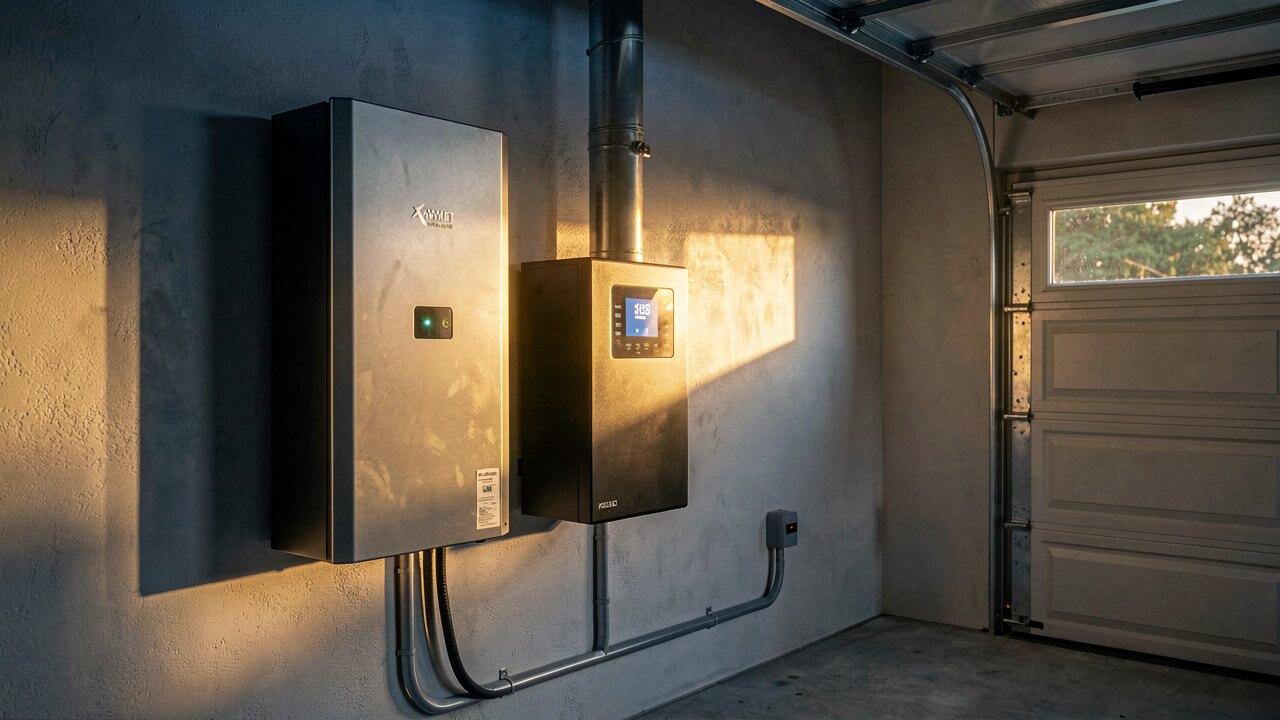
A solar battery only powers your home during a grid outage if it is explicitly built for backup operation. A standard grid-tied system shuts down when the grid fails — for safety reasons — even when the sun is shining and the battery is full.
By default, most PV systems switch off the moment the grid goes down. This is anti-islanding protection: it stops your inverter from feeding a dead grid and endangering line workers. Only a battery with a dedicated backup (islanding) function can disconnect from the grid and keep running on its own.
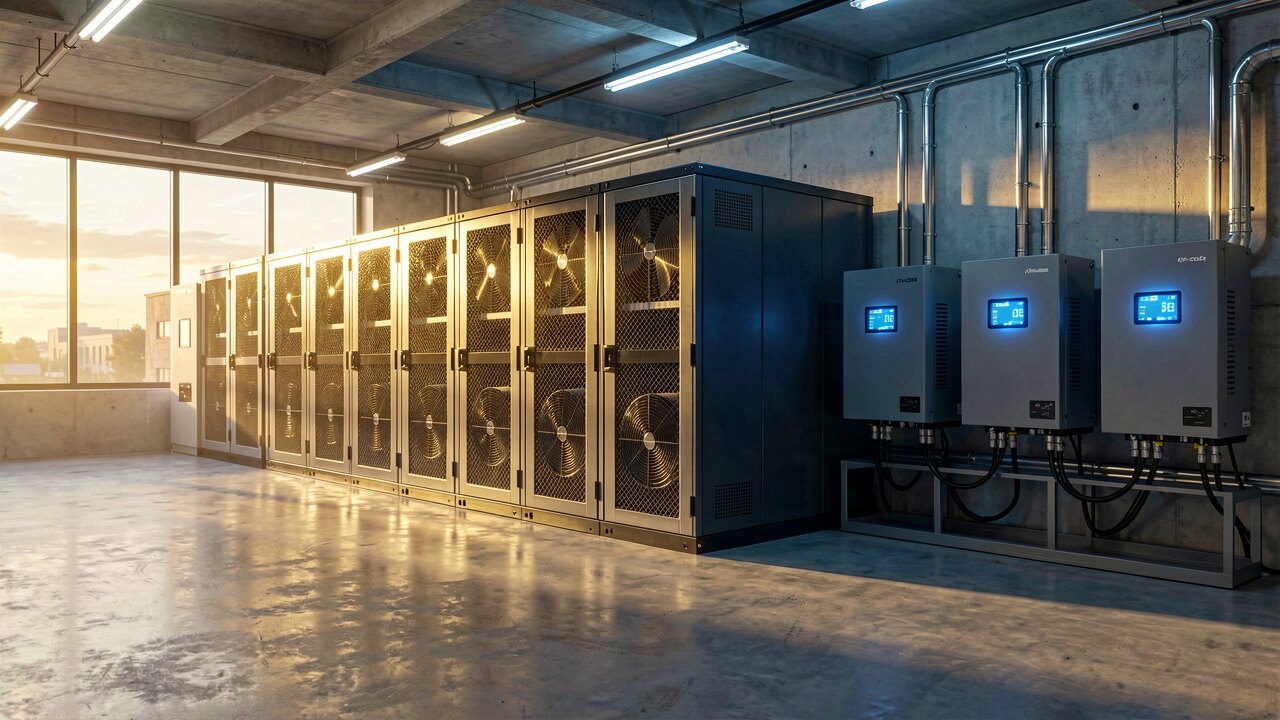
Basic backup often means a single protected outlet you plug essentials into, sometimes after a manual switch. Full backup power runs your whole distribution board automatically and switches over within milliseconds when the grid drops. Check which one a product offers before you buy — the terms are used loosely.
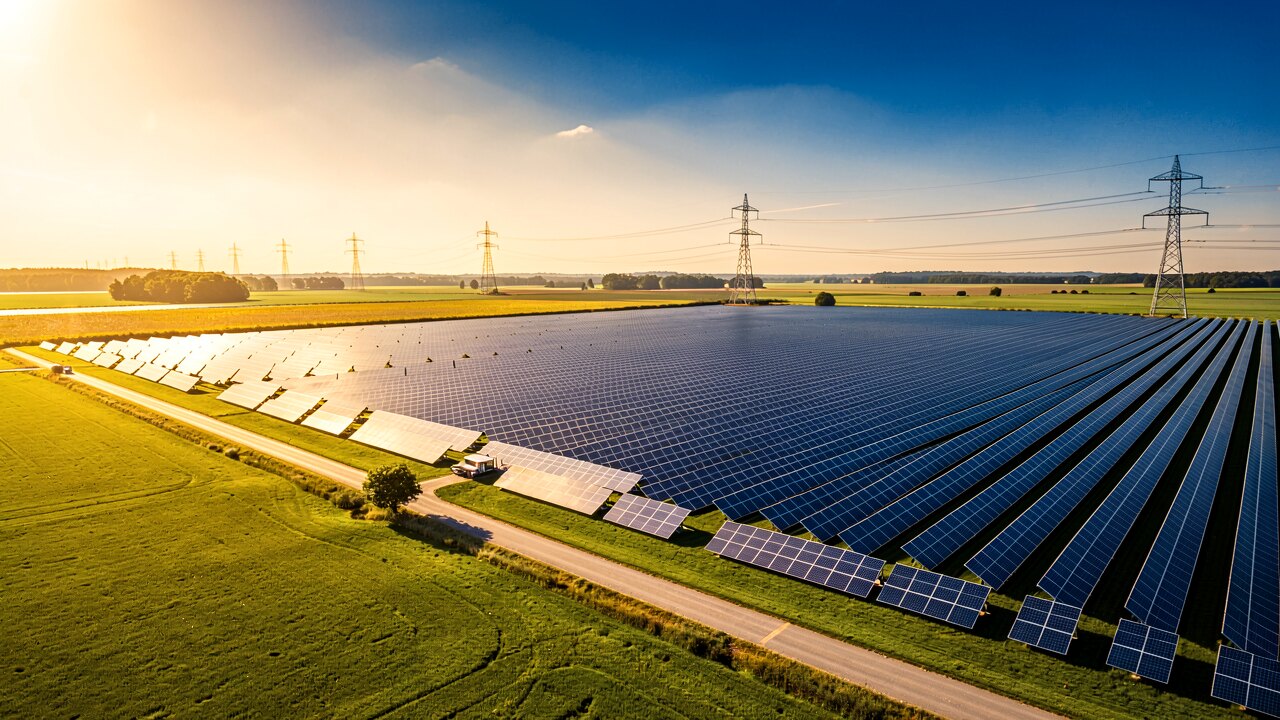
You need three things working together: an inverter rated for off-grid/island operation, a battery that allows discharge to your loads (not just to the grid), and a transfer switch or backup box that safely isolates your house from the grid. Without the switching hardware, even a backup-ready inverter cannot legally power your home in an outage.
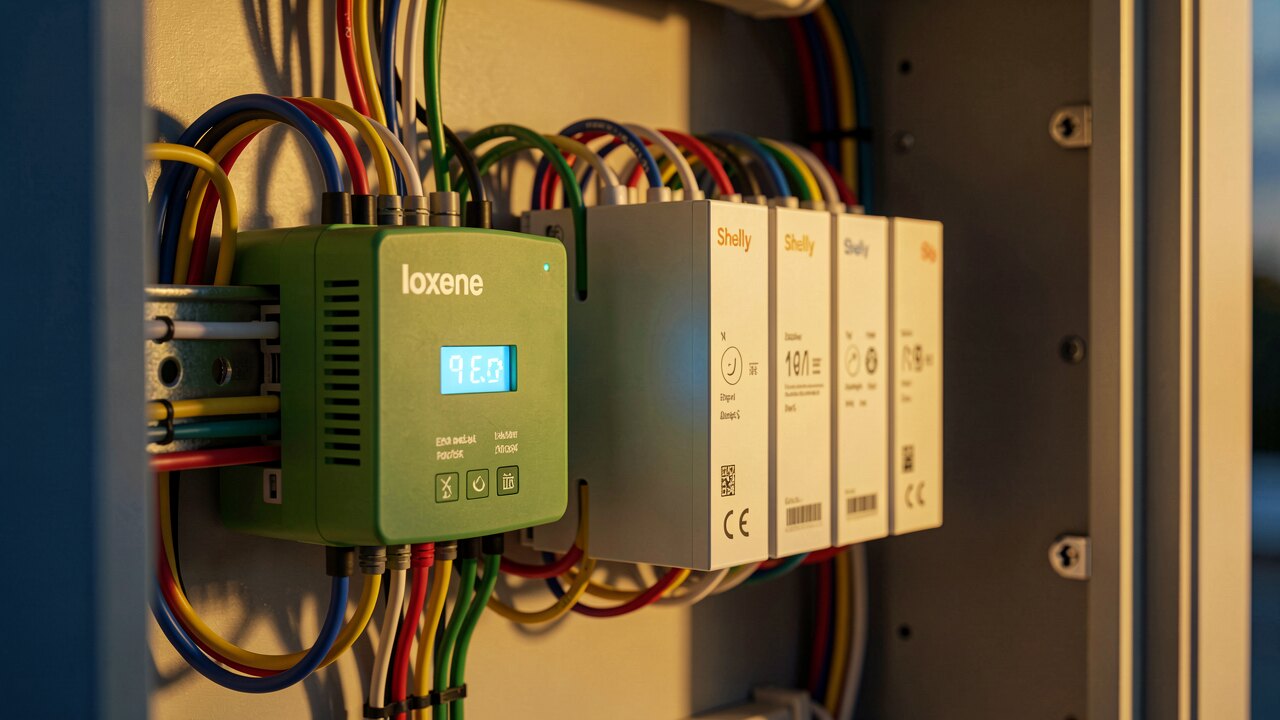
Some systems can — this is called black-start or grid-forming capability, and it lets the inverter build its own grid so your panels keep charging the battery through a long outage. Simpler backup solutions only discharge what is already stored and cannot use the panels while off-grid. If you want multi-day resilience, confirm the system supports solar recharge in island mode.
Portable units like the EcoFlow Delta 2 give you plug-in backup for a few devices — fridge, router, lights, phones — without any wiring. A permanently installed home battery with a backup box covers hard-wired circuits automatically. Portable is cheaper and flexible; installed is seamless and sized for the whole household.
Runtime depends on your stored capacity (kWh) and how much you draw. Backup functions also cap continuous output (kW): heavy loads like electric ovens, heat pumps or EV chargers may exceed what a small backup can deliver, while lights, fridge, internet and phone charging run for many hours on a typical home battery.