Top Savings on a Fixed-Price Electricity Tariff

A fixed-price tariff locks your rate per kWh so your bill is predictable, but the biggest savings usually come from lowering the rate you lock in and cutting the kWh you actually use. Here is where the real money is — and when switching to a dynamic tariff saves more.
Three levers, in order of impact: (1) Negotiate or switch to a lower locked ct/kWh rate at renewal — the single biggest factor. (2) Reduce total consumption, since a fixed price rewards every kWh you avoid. (3) Right-size your contract term so you are not locked into an above-market rate when prices fall. A fixed price does not reward shifting usage to cheaper hours — that only pays off on a dynamic tariff.

A fixed price buys planning security and protection against price spikes. But a fixed rate (for example around 32 ct/kWh) is often higher than the exchange-price average over a year, because you pay a premium for that guarantee. If your usage is flexible — heating, cooling, EV charging, a battery — a dynamic tariff lets you buy power in the cheapest hours and can undercut the fixed rate. If your usage is flat and you value certainty, fixed wins.
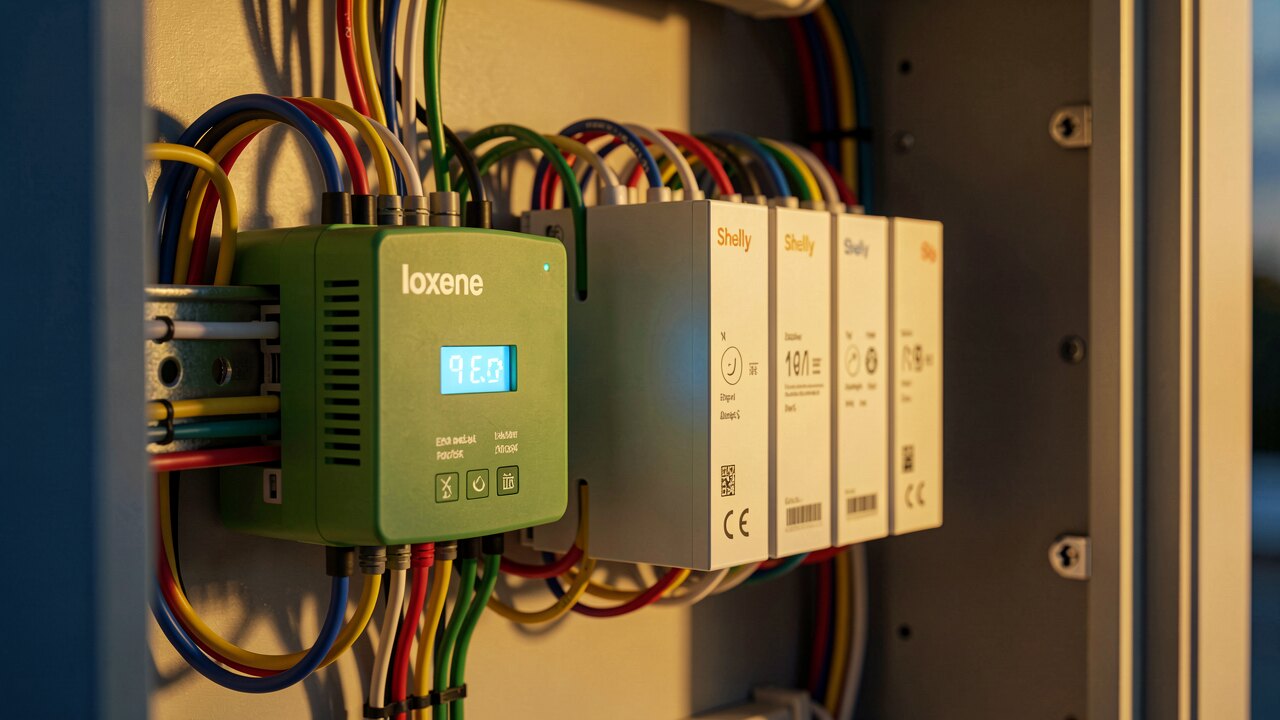
Fixed-price tariffs favour households and businesses with steady, hard-to-shift demand and a low tolerance for bill surprises. If you cannot move consumption in time and want a guaranteed budget, the fixed rate protects you. The saving here is risk reduction, not a lower average price — do not expect a fixed tariff to beat a well-managed dynamic one on pure cost.
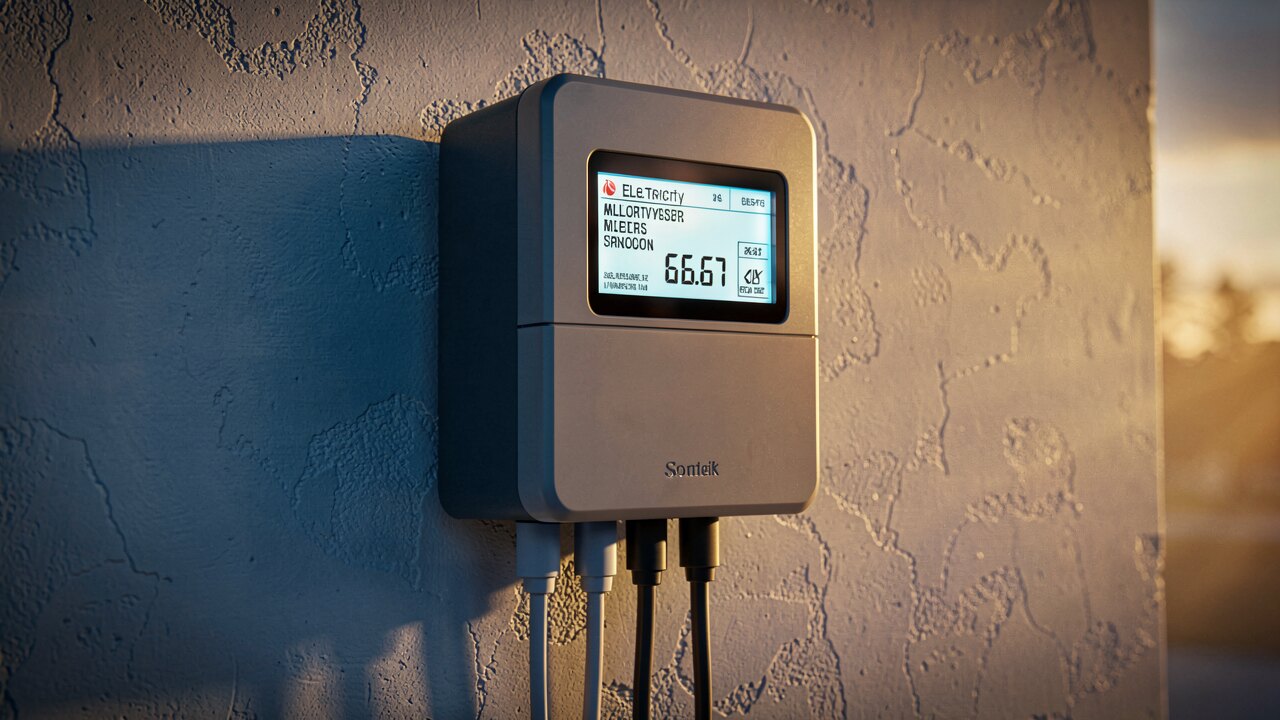
If you can shift load — smart control of appliances, a heat pump, an EV fleet, or a battery storage system — dynamic pricing lets you concentrate consumption in low-price hours. In our bakery simulation, smart control targeting cheap hours beats paying a flat 32 ct/kWh. The more of your load you can move, the larger the gap in your favour.

1) Find your current locked ct/kWh rate. 2) Compare it against the recent exchange-price average. 3) Estimate how much of your load you could shift to cheap hours. 4) If little is shiftable and the fixed rate is competitive, keep fixed. 5) If a lot is shiftable and the fixed rate sits above the market average, model a dynamic tariff with smart control before you renew.
Locking in at the top of a price spike; auto-renewing without re-comparing the market; treating a fixed rate as automatically cheaper (you pay a premium for the guarantee); and ignoring flexibility you already own — a battery or heat pump can turn dynamic pricing into real savings a fixed tariff can never deliver.