Top Solutions for Managing Electricity Peak Loads

A peak load is a short, sharp spike in power demand — often several machines starting at once — and it can drive up your grid (demand) charges disproportionately. The most effective solutions all do one thing: flatten that spike by shifting, storing, or capping demand.
1) Load shifting — move flexible processes to off-peak times. 2) Peak shaving with a battery storage system (BESS) — discharge to cover the spike. 3) Real-time load monitoring — see peaks forming before they become expensive. 4) Automated load control (load shedding) — briefly stage or throttle non-critical loads. 5) On-site generation (PV/CHP) — cover part of the peak yourself. 6) Process scheduling — stagger machine start-ups so they don't run simultaneously.
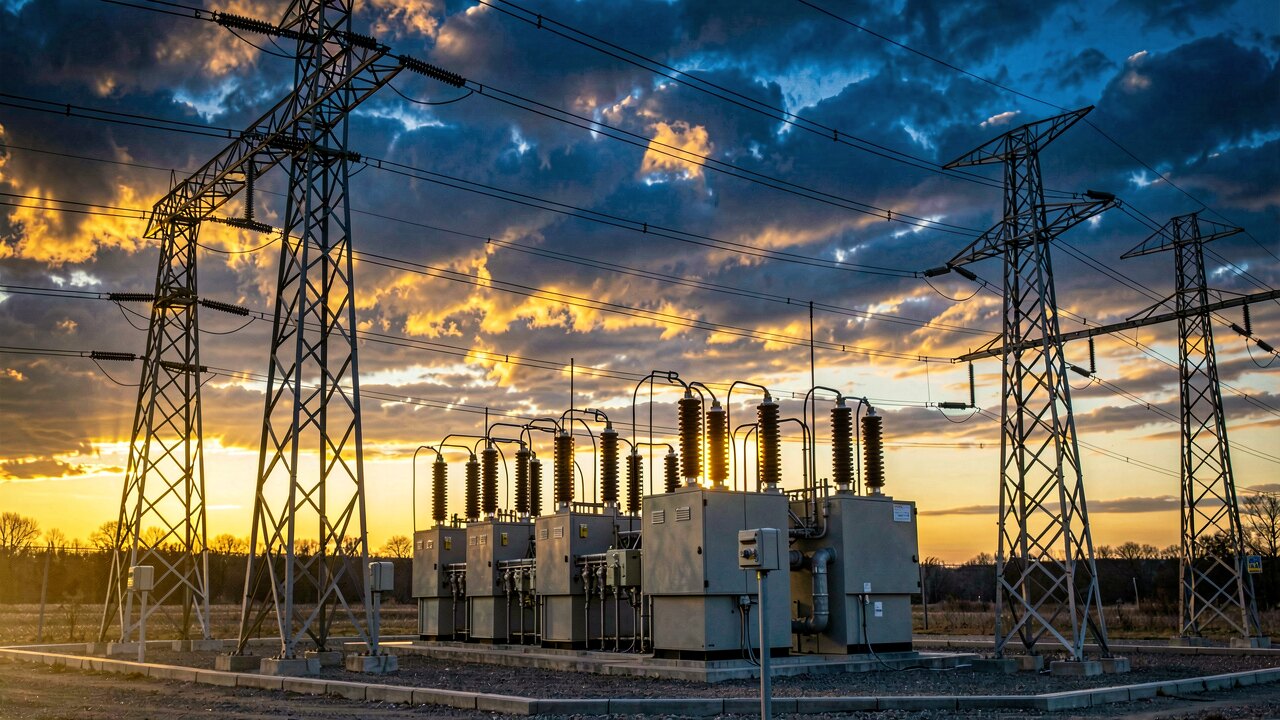
If your peaks come from machines starting together, sequencing and automated load control fix it at almost no hardware cost. If demand is genuinely high at certain hours, a battery for peak shaving carries the spike so your metered peak stays low. And you cannot control what you cannot see — real-time monitoring is the prerequisite for every other method, because it tells you when, where and how high your peaks actually are.

The practical order is: (1) measure your load profile with real-time monitoring to find the true peaks, (2) apply the cheap organisational fixes first — sequencing and load shifting, (3) add automation to cap loads that can't be shifted, and (4) only then size storage or on-site generation for the peaks that remain. This avoids over-investing in hardware before the low-cost measures are exhausted.
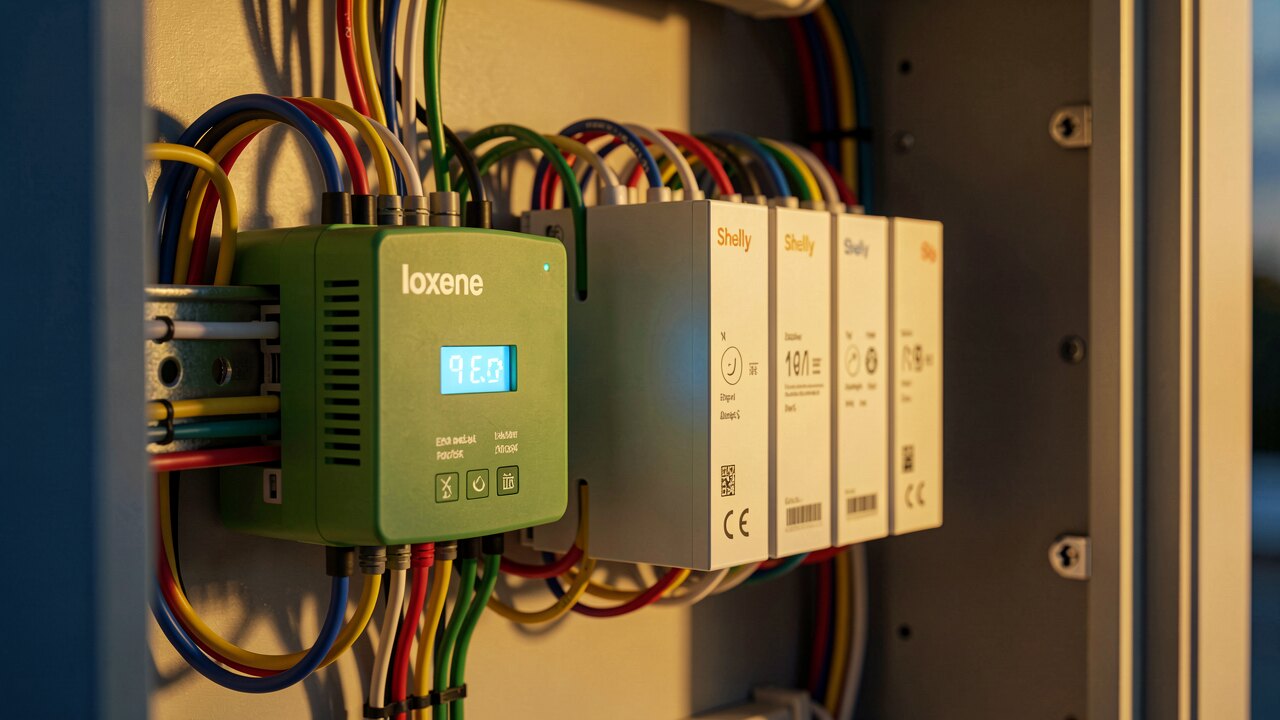
By avoiding expensive peaks, businesses can lower grid and total energy costs by up to around 25%, depending on how spiky the current load profile is. The flatter your consumption, the lower the demand charge — savings come from cutting the single highest peak the meter records, not from reducing total kWh.
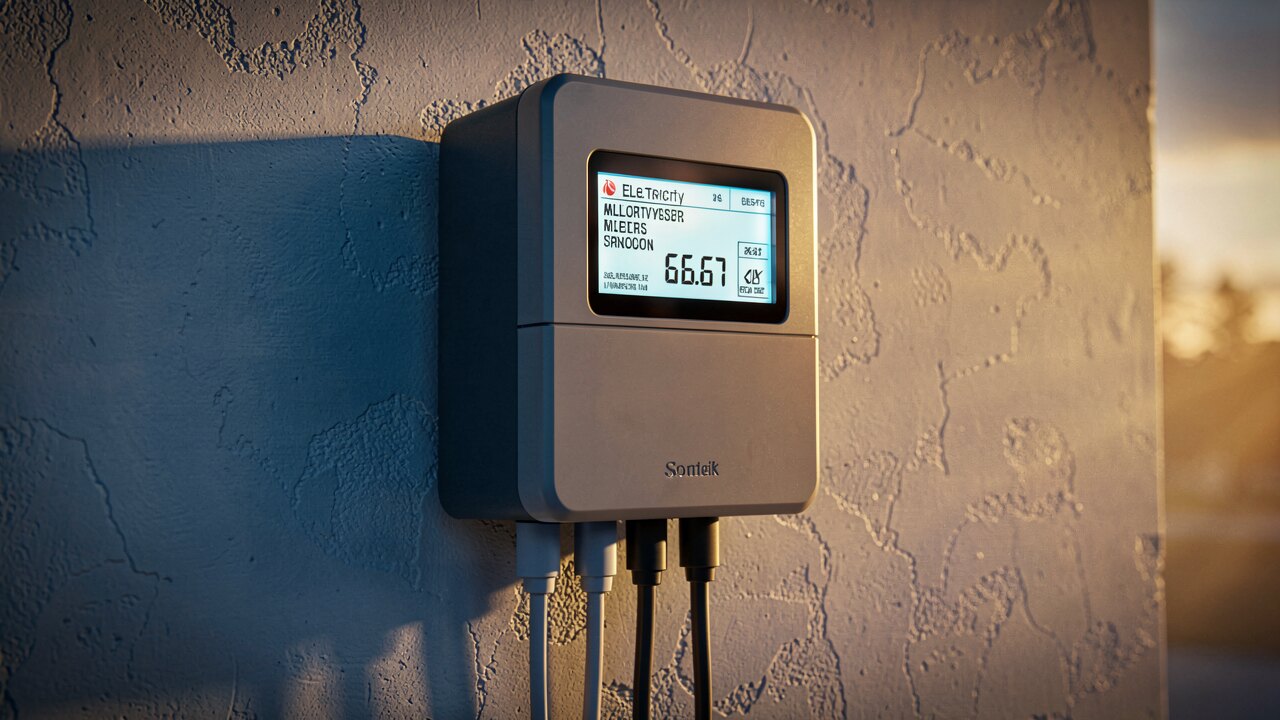
Companies with energy-intensive processes gain the most: manufacturing plants, agricultural operations, logistics centres and commercial businesses with high electricity use. Wherever large loads switch on and off, a more even distribution of consumption yields significant savings.
In Germany, businesses can use public funding such as BAFA support, which can cover up to 45% of the investment cost for eligible energy-efficiency and management measures. This lowers the payback period for monitoring hardware and storage — check current eligibility, as programme conditions change.