Understanding Feed-in Tariffs and Direct Marketing
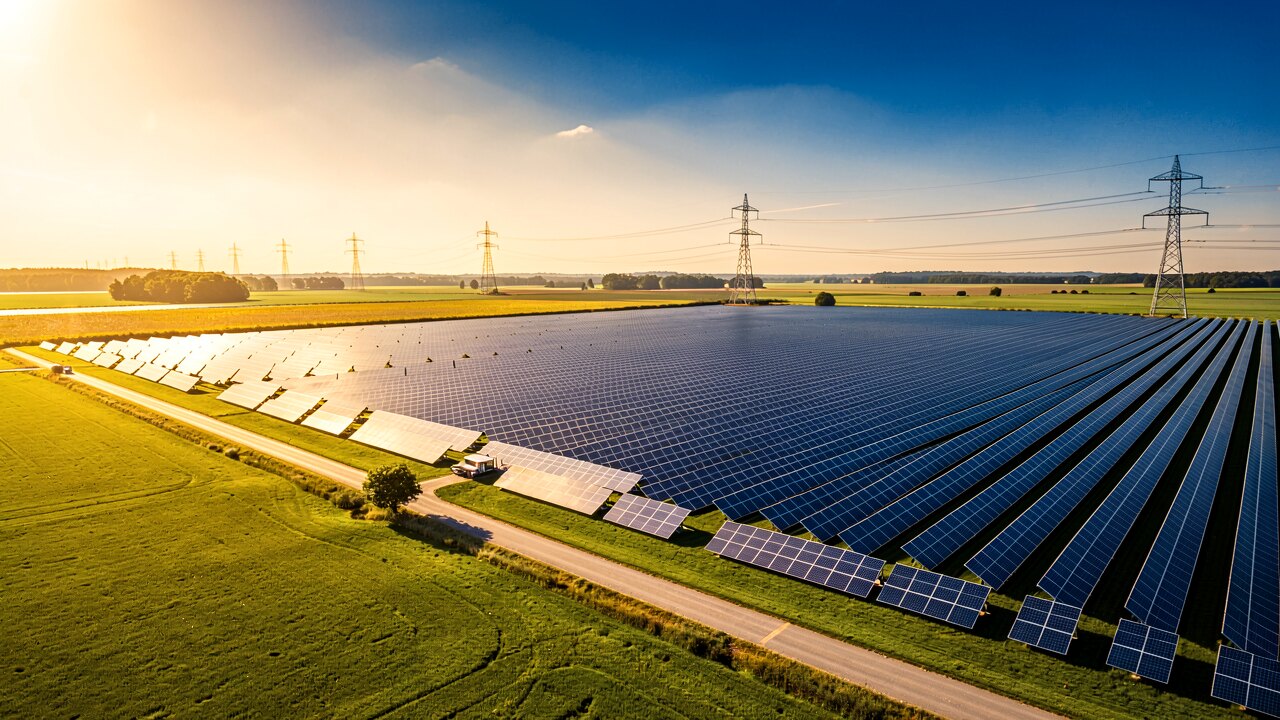
Direct marketing (Direktvermarktung) is a mandatory sales model for photovoltaic systems with a capacity of 25 kWp or more. In this model, electricity is sold directly on the exchange market instead of receiving a fixed feed-in tariff from the grid operator.
According to §21 EEG 2023, solar systems with a capacity of 25 kWp or more are no longer eligible for the standard fixed feed-in tariff. These systems must use a direct marketer who sells the electricity on the exchange market.
In the 'Market Premium Model' (Marktprämienmodell), your revenue consists of two parts: the actual market price achieved by your direct marketer and a government-funded market premium. The premium covers the difference between the auction price and the actual market value.
The fixed feed-in tariff (EEG-Festpreisvergütung) is paid by the grid operator and carries no market risk for the owner. In contrast, direct marketing involves selling on markets like the Day-Ahead or Term Market, where the owner bears more market exposure unless a specific contract structure is chosen.

Check your contract for specific clauses: 'Marktprämie nach § 19/23a EEG' indicates a standard market premium model, while terms like '100% Spot Day-Ahead' or 'EPEX-Spot-Index' define the specific exchange pricing used by your marketer.

For utility-scale systems (e.g., over 1 MWp), direct marketing is standard and often involves complex measurement concepts like MK5 or MK7 to ensure accurate settlement of the electricity fed into the grid.