Betriebsoptimierung — what does the German term mean?
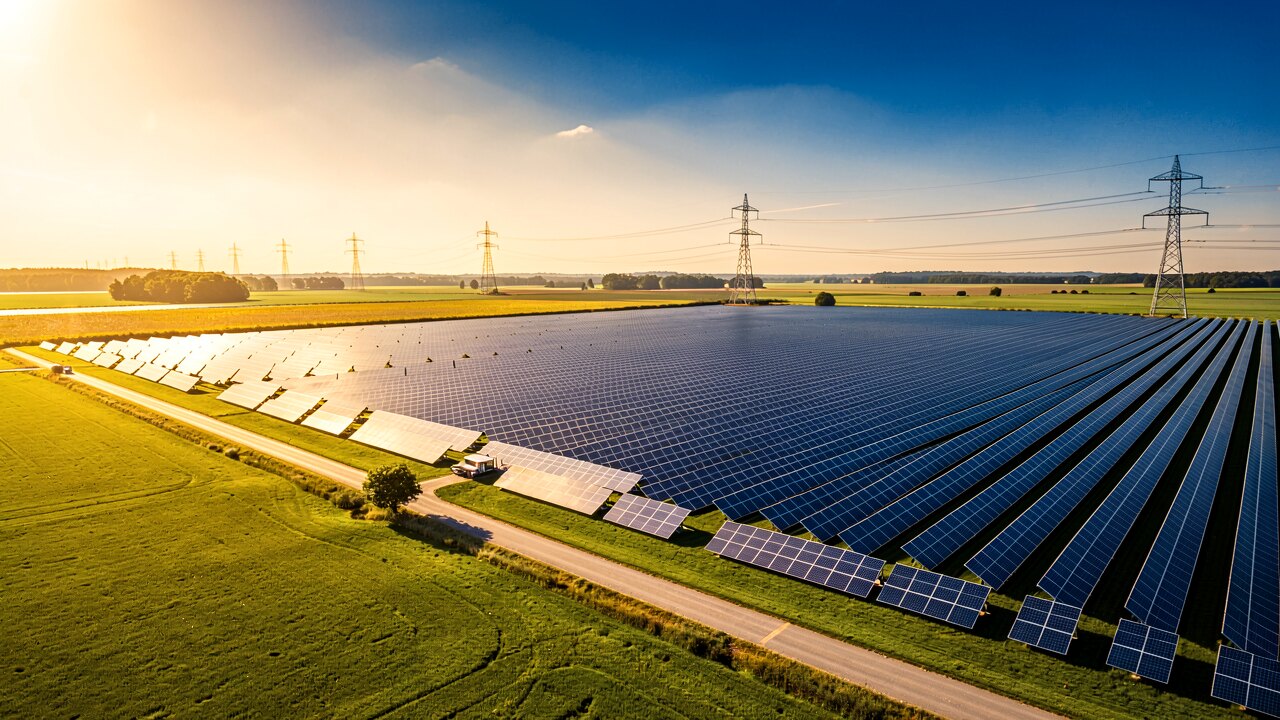
Betriebsoptimierung is the German word for operational optimisation: improving how an existing plant, building or machine is run, rather than replacing the equipment. In an energy context it means using measured consumption data to find waste — idle running, avoidable losses, badly timed loads — and then changing operating behaviour to remove it.
"Betrieb" means operation, plant or business; "Optimierung" means optimisation. Put together, Betriebsoptimierung = optimising the way something is operated. You will meet it in German technical documents, energy audits and maintenance contracts. Related terms you will see next to it: Energiemonitoring (energy monitoring), Lastspitzenmanagement (peak load management), Verbrauchsoptimierung (consumption optimisation) and Effizienzsteigerung (efficiency improvement).
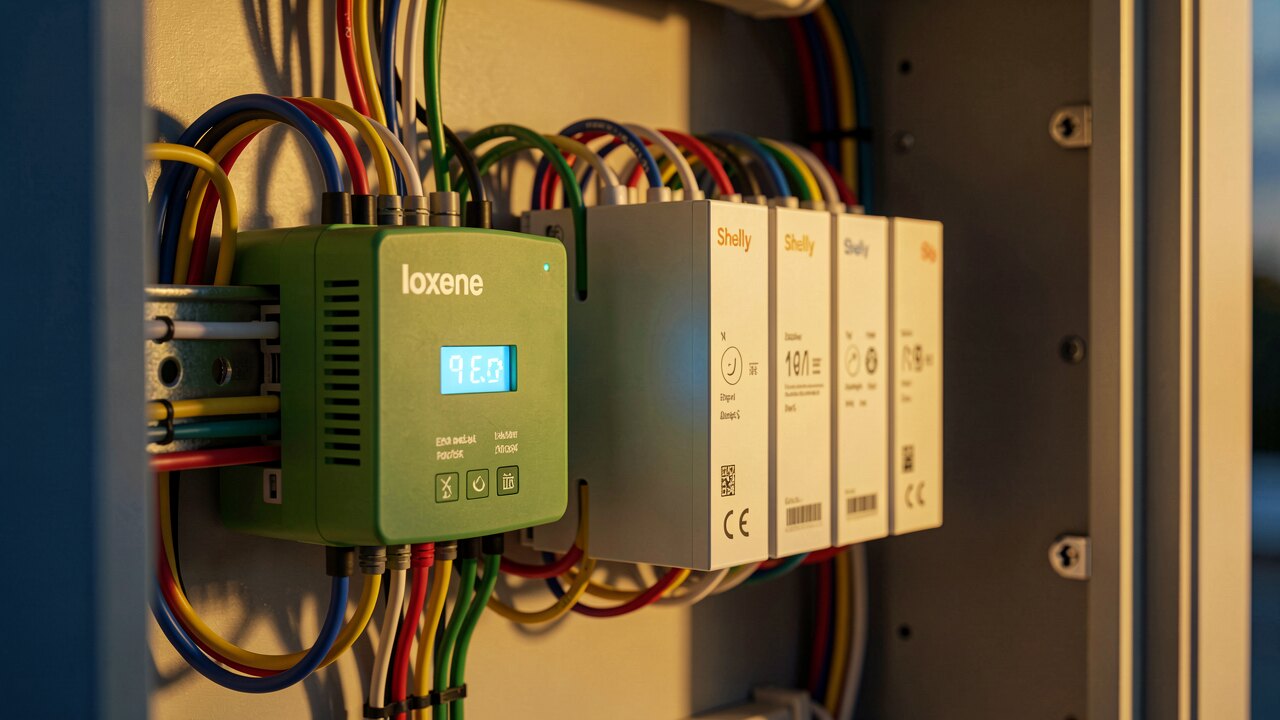
It targets operation, not hardware. Typical levers: switching machines off instead of leaving them idle, shifting flexible loads away from expensive or peak periods, correcting set points and run times, and cutting losses in equipment that runs around the clock (transformers, pumps, compressors, cooling). The equipment stays; the schedule, the set points and the operating discipline change. That is why it is usually the cheapest efficiency measure available — no capex, only better information and better decisions.
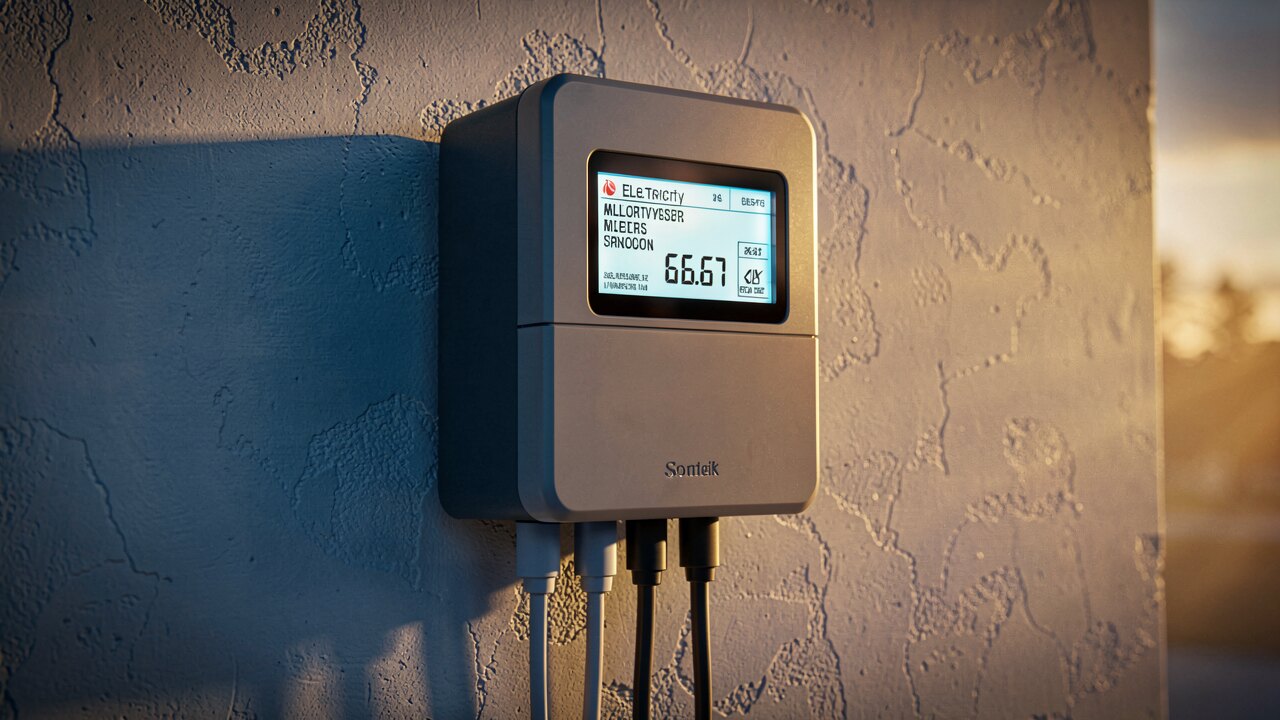
1) Measure — meter the site at circuit or machine level, not just at the main meter. 2) Analyse — break consumption down by department, machine and time of day to see where energy goes when nothing is being produced. 3) Identify — look for inefficient operating times, standby and idle consumption, and losses in continuously running assets. 4) Act — change run times, set points, sequencing and switch-off rules. 5) Verify — keep monitoring, because savings decay if nobody watches them. Steps 1 and 5 are the ones most sites skip, and that is why savings do not stick.
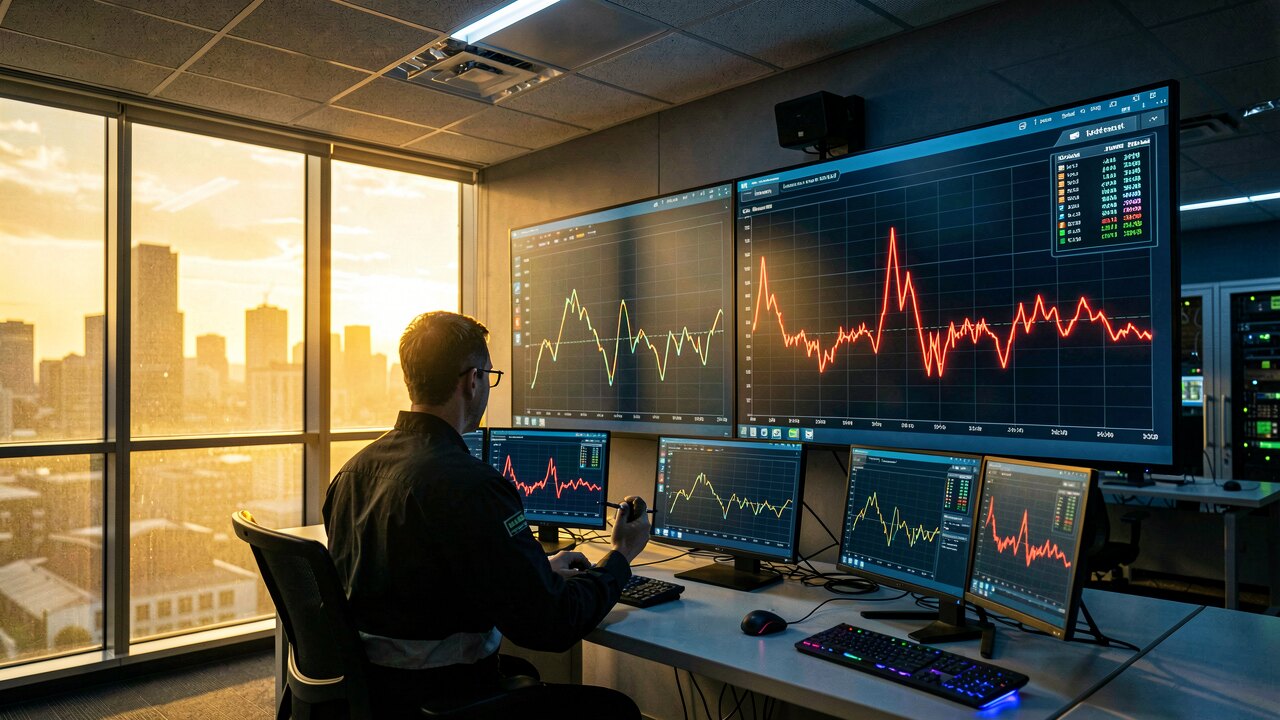
A single audit gives you a snapshot. Betriebsoptimierung works on patterns over time: which machine idles on Sunday night, when the peak actually occurs, whether a change you made last month is still holding. Continuous energy monitoring — the approach behind the Stromfee diary — supplies that record. Without it you are optimising from memory, and you will not notice when things drift back.
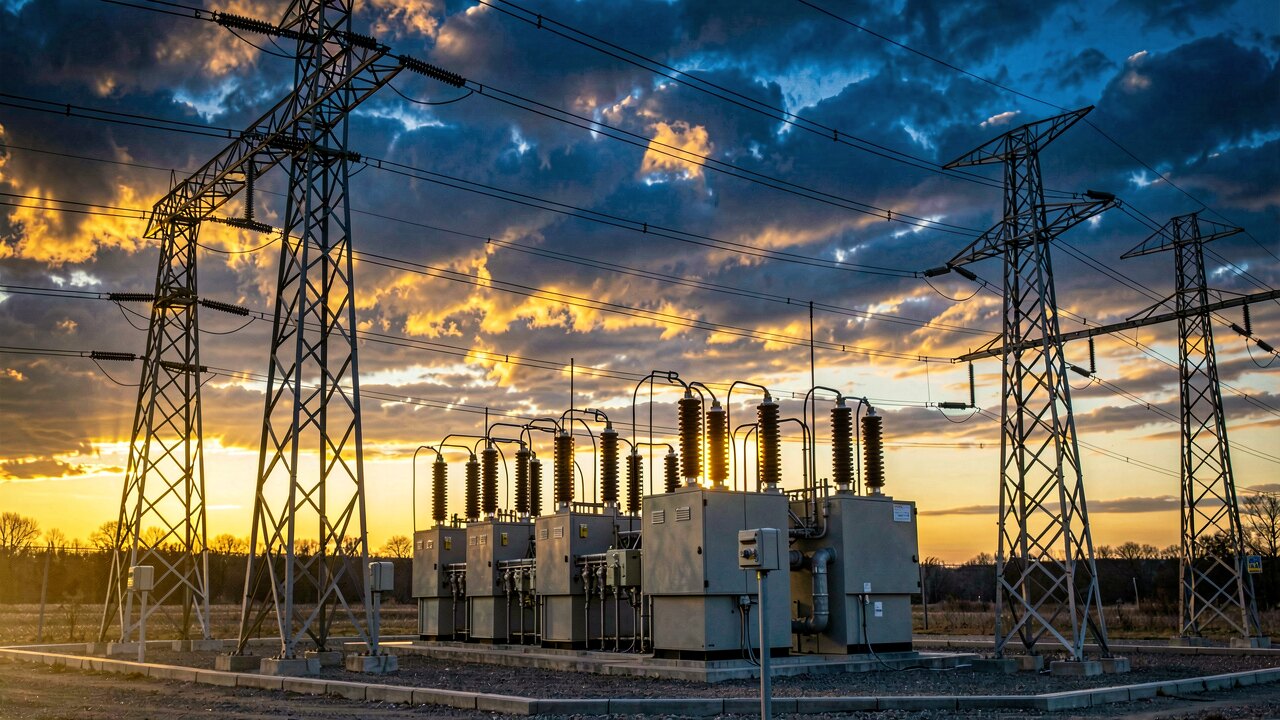
Three families, in rough order of how often they turn up. First, idle and standby: machines drawing power while producing nothing, especially outside shift hours. Second, timing: running flexible loads during the site's peak, which drives demand charges as well as consumption. Third, losses in always-on infrastructure: transformers, compressed air, pumps and cooling systems that run continuously and are rarely questioned. Sizes vary enormously by site, so a credible project starts with measurement rather than a promised percentage.
Three German terms that get mixed up. Betriebsführung is plant operation — running it day to day. Instandhaltung is maintenance — keeping it working. Betriebsoptimierung is the layer above both: analysing how it is being run and changing that to use less energy or cost less. It assumes the plant already works; the question is whether it works well.