What Does "Gebietsfeld" Mean?
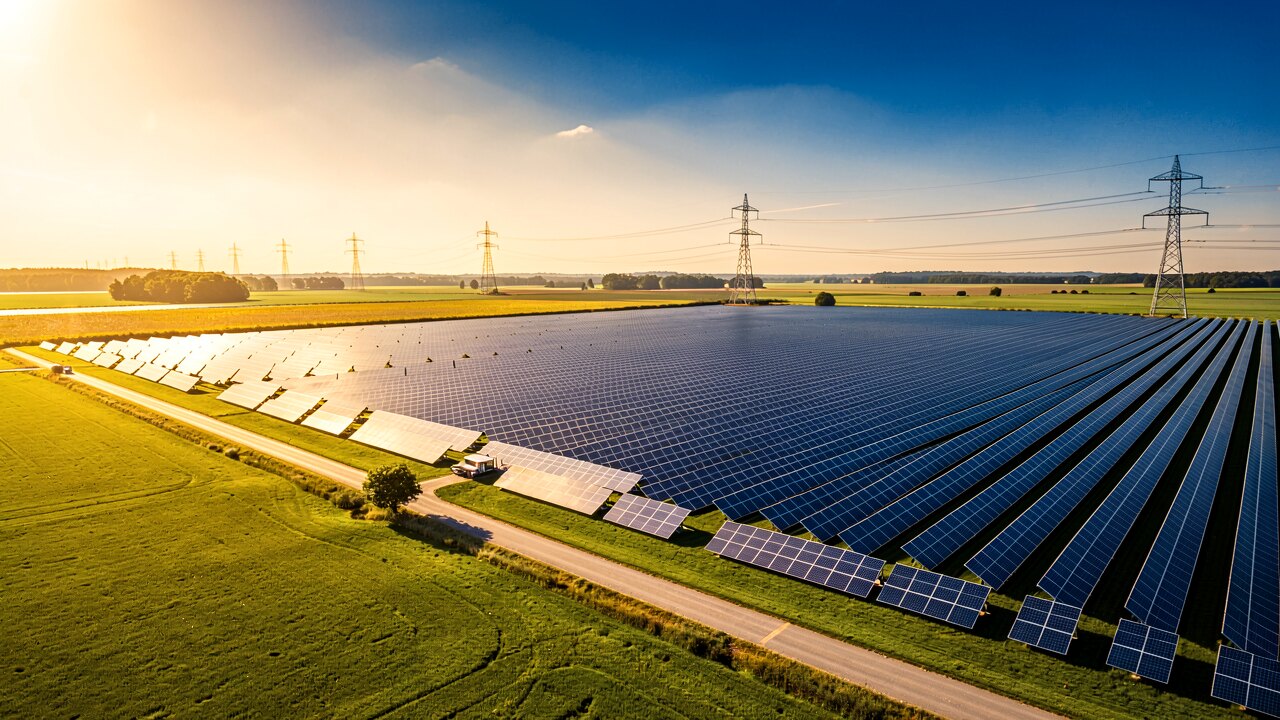
"Gebietsfeld" is a German compound word — Gebiet ("area", "region", or "territory") plus Feld ("field"). It is not a defined legal or technical term in German energy law; it almost always just means a "region field" — an input field where you select or enter your area — or a place/family name.
Gebiet = area, region, district, or territory. Feld = field (either a physical field or a data-entry field in a form). Put together, "Gebietsfeld" literally reads as "area field" or "region field." There is no single official definition — the meaning depends entirely on where you saw it.
On German utility, grid-operator, or government portals you often fill in a "Gebiet" (region/area) so the system knows which network zone you belong to. If a form or map labels such an input "Gebietsfeld," it simply means the box where you choose your area — not a special product or regulation.
In German electricity, your grid area (Netzgebiet) determines your local grid operator (Netzbetreiber) and your grid fees (Netzentgelte), which vary by region. So an "area" field on an energy signup or tariff calculator drives who supplies your grid and what your network charges are — even if it's labelled Gebietsfeld informally.

German compound nouns are frequently used as surnames or place names. "Gebietsfeld" can appear as a family name or a local field/plot name. If you found it as a person or location rather than in a form, treat it as a proper noun, not a technical term.
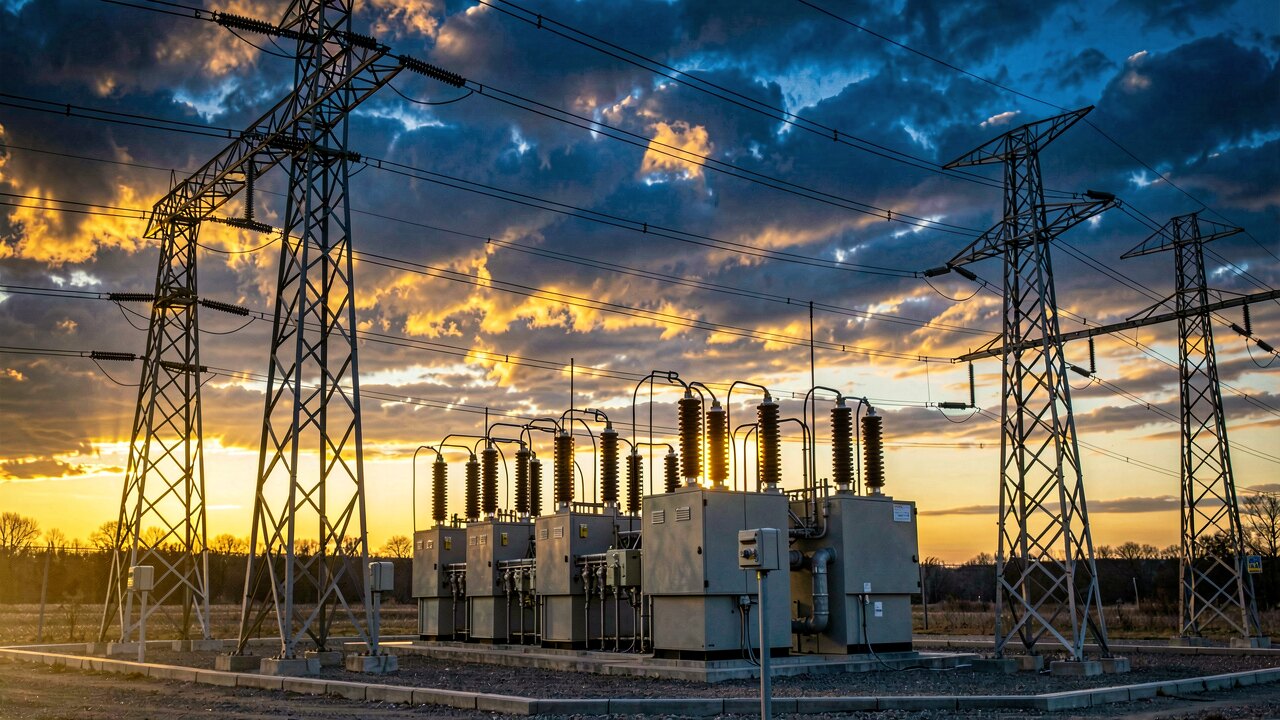
If you're researching German energy geography, the established terms are: Netzgebiet (grid/network area), Grundversorgungsgebiet (default-supply area), and Gebietskörperschaft (territorial authority such as a municipality). These have real regulatory meaning — "Gebietsfeld" does not.