What is a building energy management system?
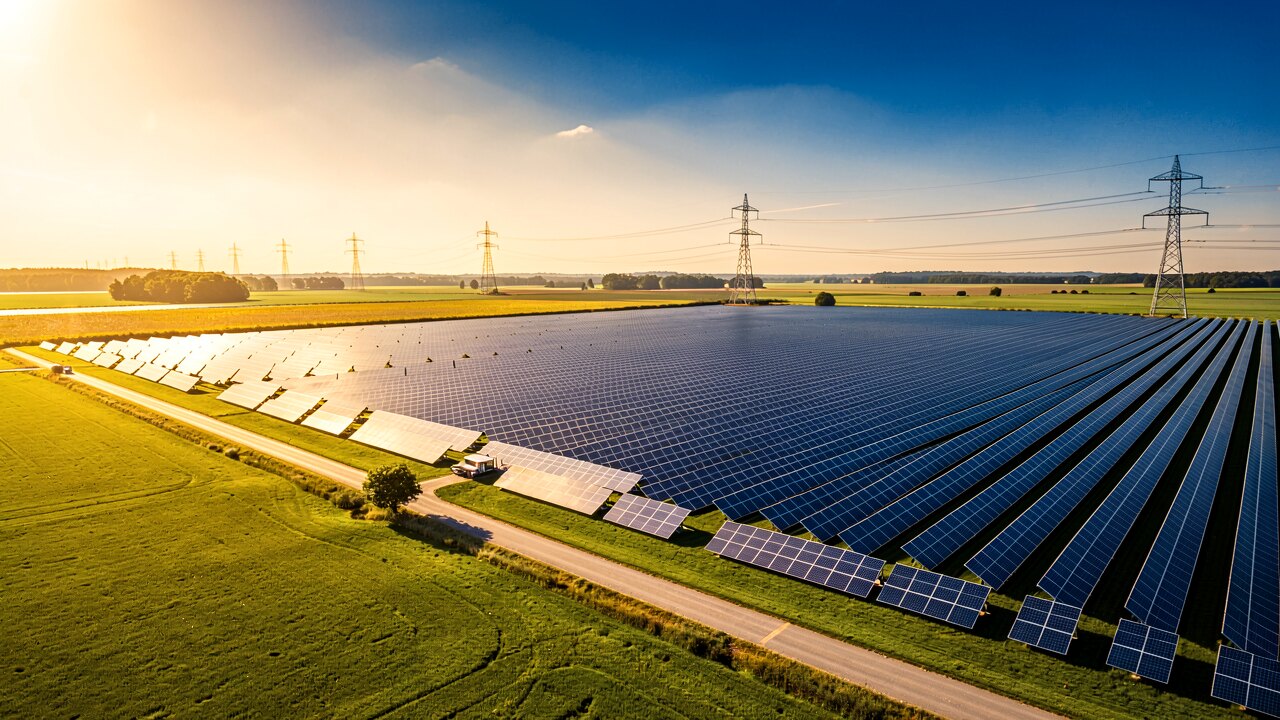
A building energy management system (BEMS) is a control and monitoring platform that measures, analyses, and steers a building's energy use — electricity, heating, cooling, and ventilation. It turns meter and sensor data into automatic decisions that cut consumption and cost.
It continuously collects data from meters, sensors, and connected equipment (HVAC, lighting, battery storage, PV), shows it on one dashboard, and controls loads automatically. Core functions: monitor real-time and historical consumption, detect waste and faults, schedule and shed loads, and shift usage to cheaper or self-produced power.
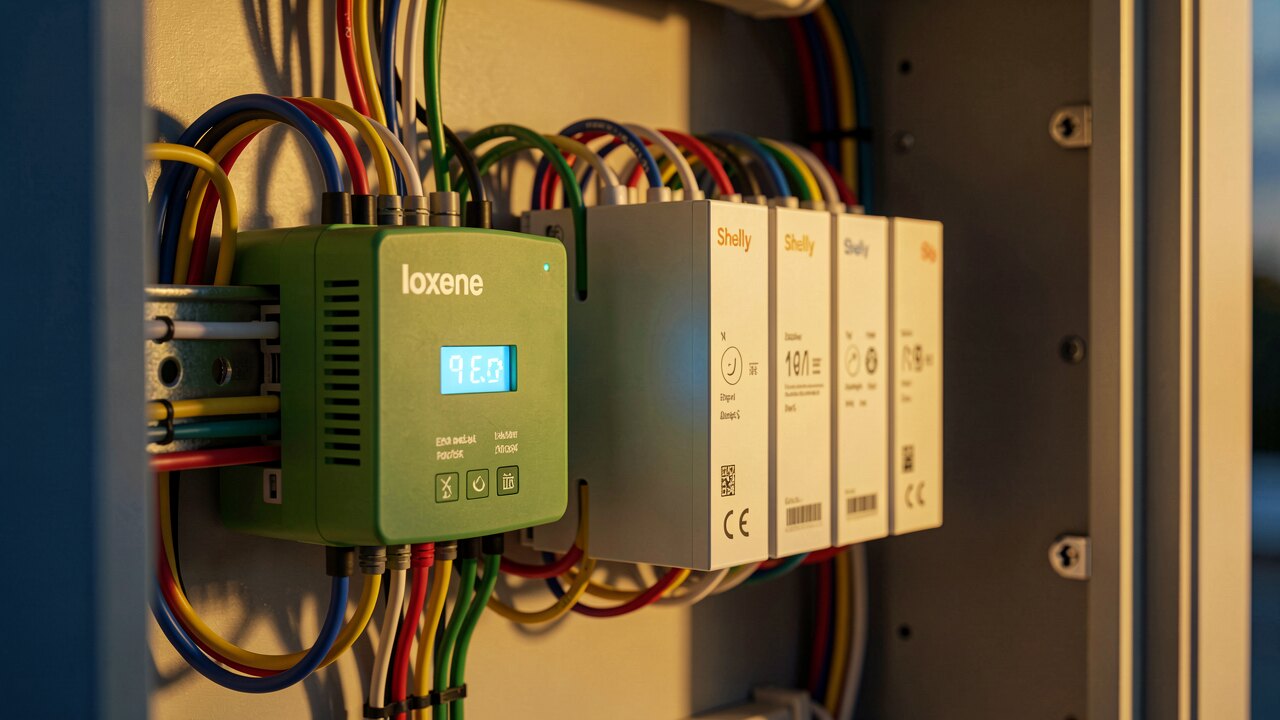
1) Meter and sensor data flow into the system. 2) It is normalised and displayed live. 3) Rules and forecasts (weather, prices, occupancy) drive setpoints. 4) Actuators adjust HVAC, storage, and other loads. 5) You review reports and refine rules. Data interfaces are typically Modbus, SunSpec, REST/API, or KNX for building automation.
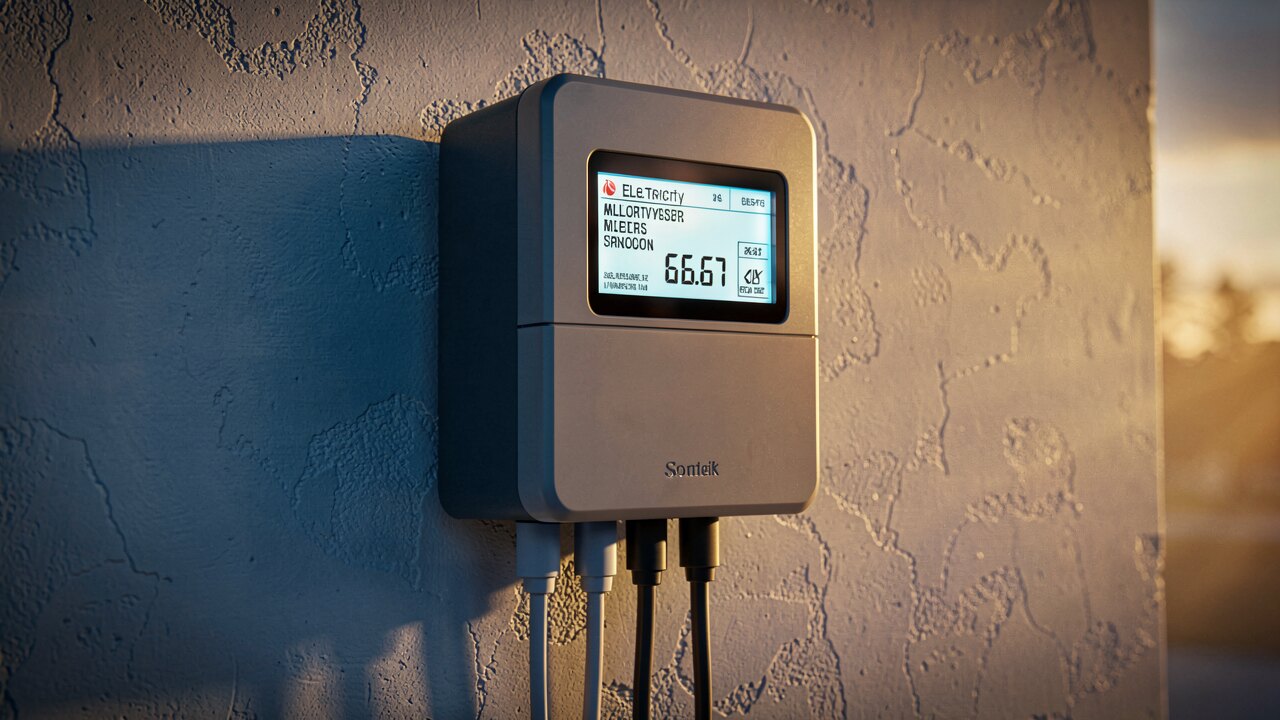
Savings come from three levers: cutting avoidable consumption, shifting load to low-price or self-generated hours, and avoiding demand peaks. Actual figures depend on building type, baseline efficiency, and how much control the system has over HVAC and storage — a BEMS makes the potential visible before you commit to measures.

It pays off fastest for buildings with high or variable energy use — offices, production, logistics, multi-tenant properties, and sites with PV or battery storage. Small, low-consumption buildings may only need sub-metering for transparency. The deciding question: is there enough controllable load and cost to optimise?
In Germany, energy management systems can qualify for public funding (e.g. BAFA, KfW), in some programmes covering a share of the investment cost. A typical rollout: install meters and sensors, connect existing equipment via standard interfaces, configure dashboards and control rules, then run continuous monitoring and optimisation.