What is Reactive Power? A Simple Explanation
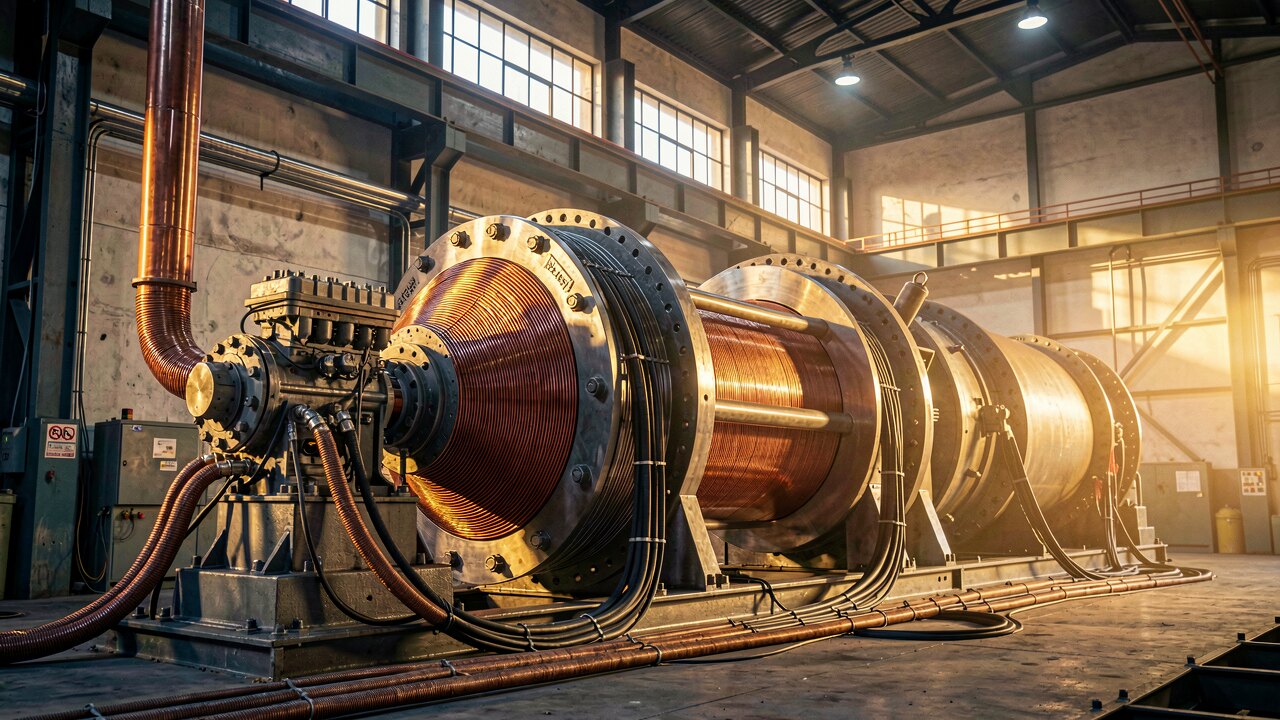
Reactive power (Blindleistung) is the component of electrical power in alternating current (AC) systems that does not perform useful work but is necessary to maintain the magnetic fields in components like motors and transformers. It circulates between the source and the load without being consumed, yet it plays a vital role in maintaining voltage levels and grid stability.
To understand reactive power, you must distinguish it from active power (Wirkleistung). While active power is the energy actually converted into work—such as heat, light, or mechanical motion—reactive power is required to create and sustain the magnetic fields in inductive or capacitive components.
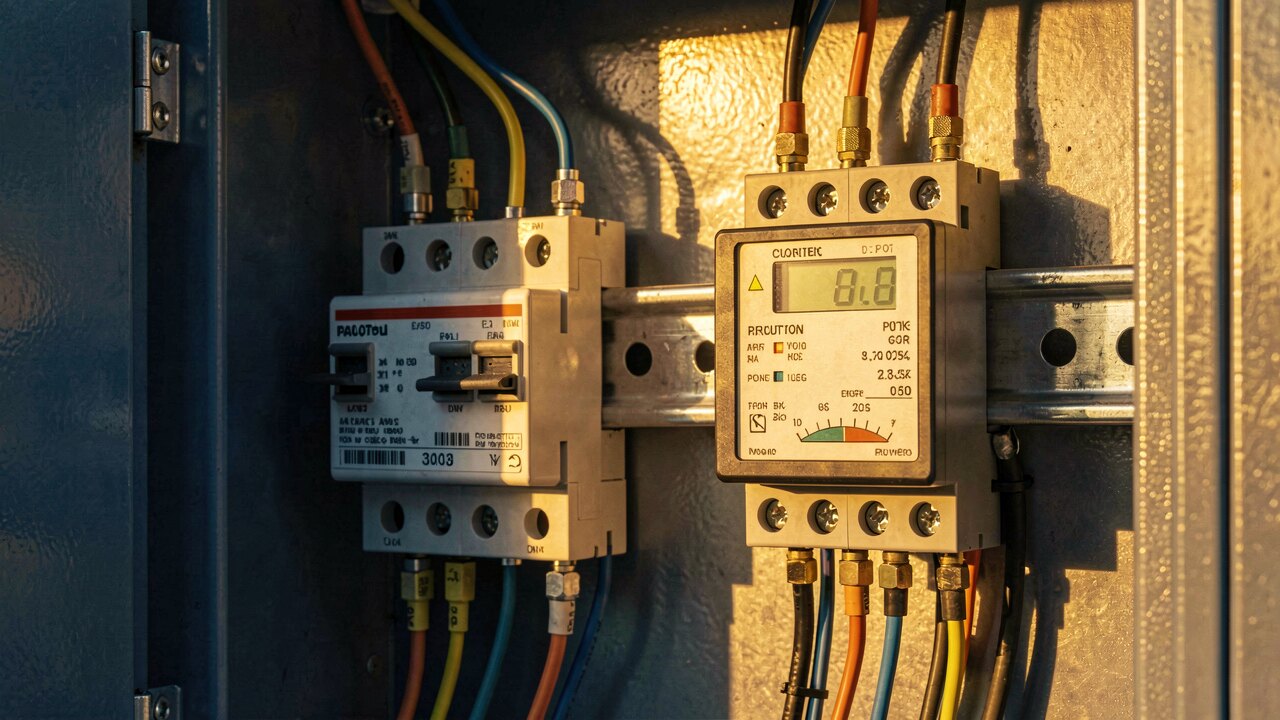
In AC circuits, reactive power occurs because of a phase shift between voltage and current. When these two are not perfectly aligned (a low power factor), part of the electricity is 'reactive.' This is often measured by the cosine of the phase angle (cos φ).

Reactive power is essential for grid stability. Without sufficient reactive power, voltage levels can drop or fluctuate significantly. In some cases, grid operators may require or even compensate producers (like CHP plants) for providing 'grid-friendly' reactive power to stabilize the local network.
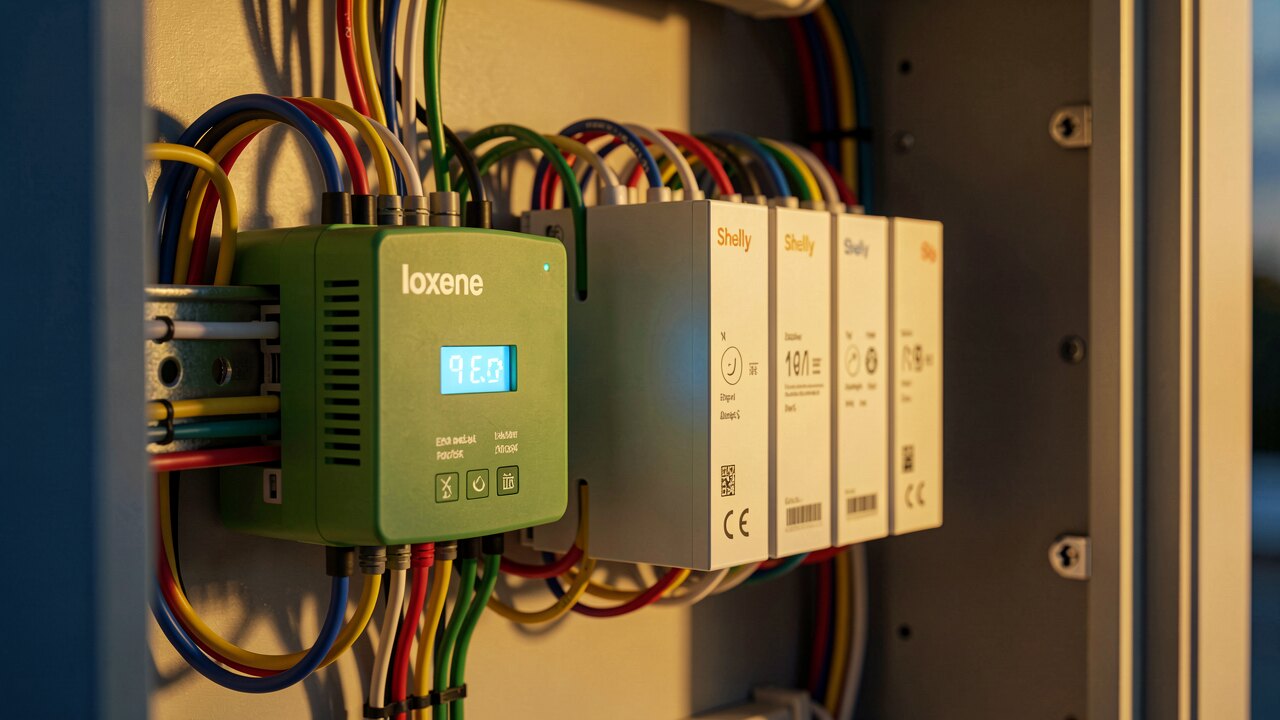
Certain systems, such as synchronous generators in combined heat and power (CHP) plants, can provide reactive power through their excitation system. This allows them to actively support the grid's voltage stability while producing active power.
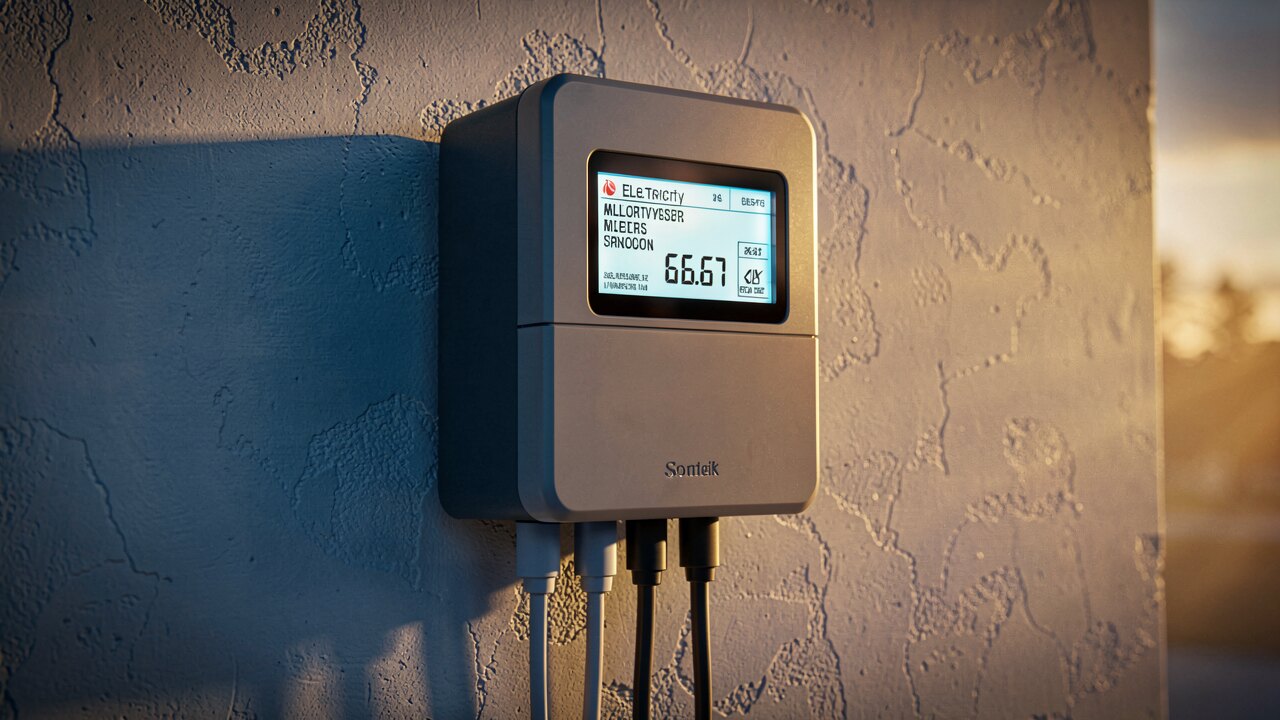
Technical factors like voltage smoothing in low-voltage networks can influence the amount of reactive power present. Managing these relationships is crucial for efficient energy transmission and infrastructure planning.