Which electricity tariff makes sense if you own a PV system?

As a PV owner you still buy grid power for the hours your roof does not cover — mornings, evenings and winter — so your tariff decides what those residual kilowatt-hours cost. The short answer: if you can shift consumption into cheap hours and have a smart meter, a dynamic exchange-price tariff usually wins; if your consumption is rigid and mostly in the evening, a plain fixed-price tariff is the safer choice.
First: do you have, or can you get, an intelligent metering system (iMSys)? Dynamic tariffs are billed per hour, so they need one. Second: can you move load — heat pump, EV charging, hot water, washing — into the cheap hours, or automate it? Third: how large is your residual grid purchase after self-consumption? The smaller it is, the less any tariff choice moves your bill, and the more your effort belongs on self-consumption instead. Two yeses on the first two questions point to a dynamic tariff. Otherwise take a fixed price and keep it simple.

A dynamic tariff passes the hourly day-ahead exchange price through to you, plus your supplier's margin, grid fees, levies and taxes. So the price changes every hour, and only the exchange-price part moves — the fixed components stay. Under §41a EnWG, electricity suppliers in Germany must offer their customers a dynamic tariff option; whether it pays for you depends entirely on whether you can respond to the price signal. Prices are published a day ahead, so automation can plan against them. Note the flip side: exactly when your PV produces most, the exchange price is often lowest — the savings come from your controllable evening and night loads, not from the sunny midday hours.
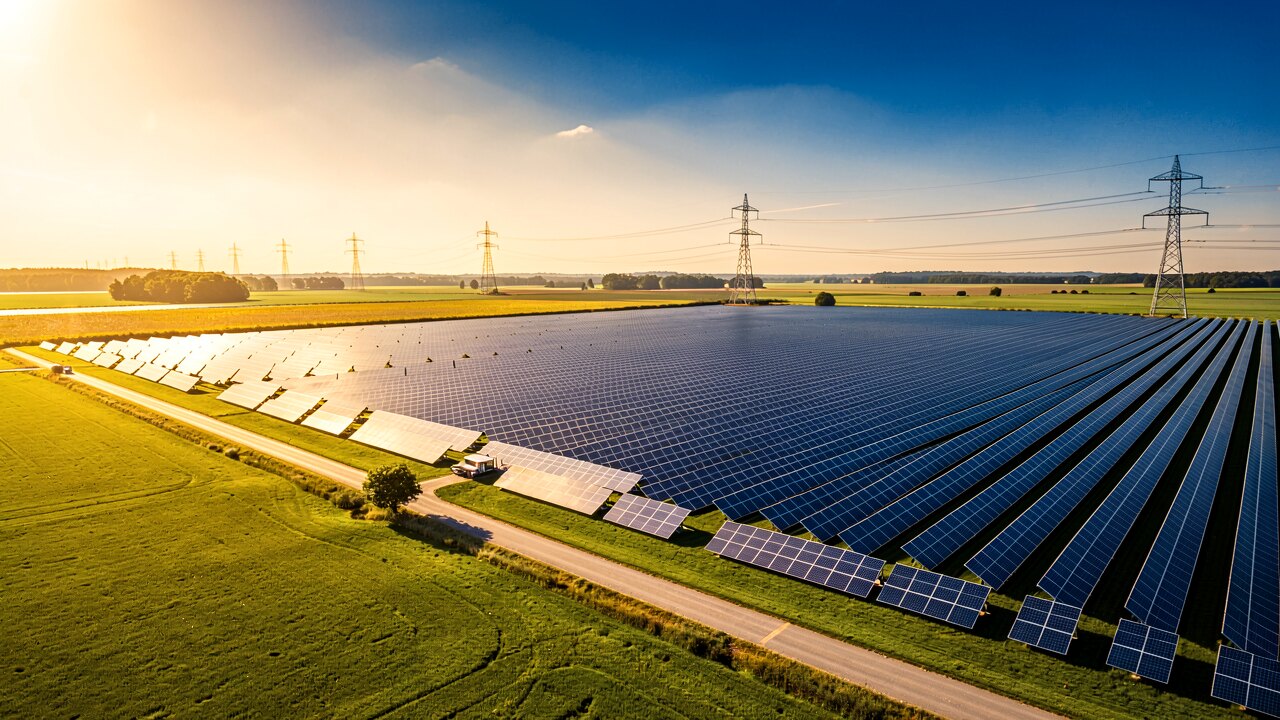
Do not mix them up. Your consumption tariff is what you pay for grid electricity. Your feed-in remuneration is what you receive for exported solar power — a separate arrangement. Changing your supply tariff does not touch your feed-in, and you are free to buy from supplier A while your feed-in runs through the grid operator or a direct marketer. Some suppliers market bundles combining both; check each half against a separate best offer before signing.
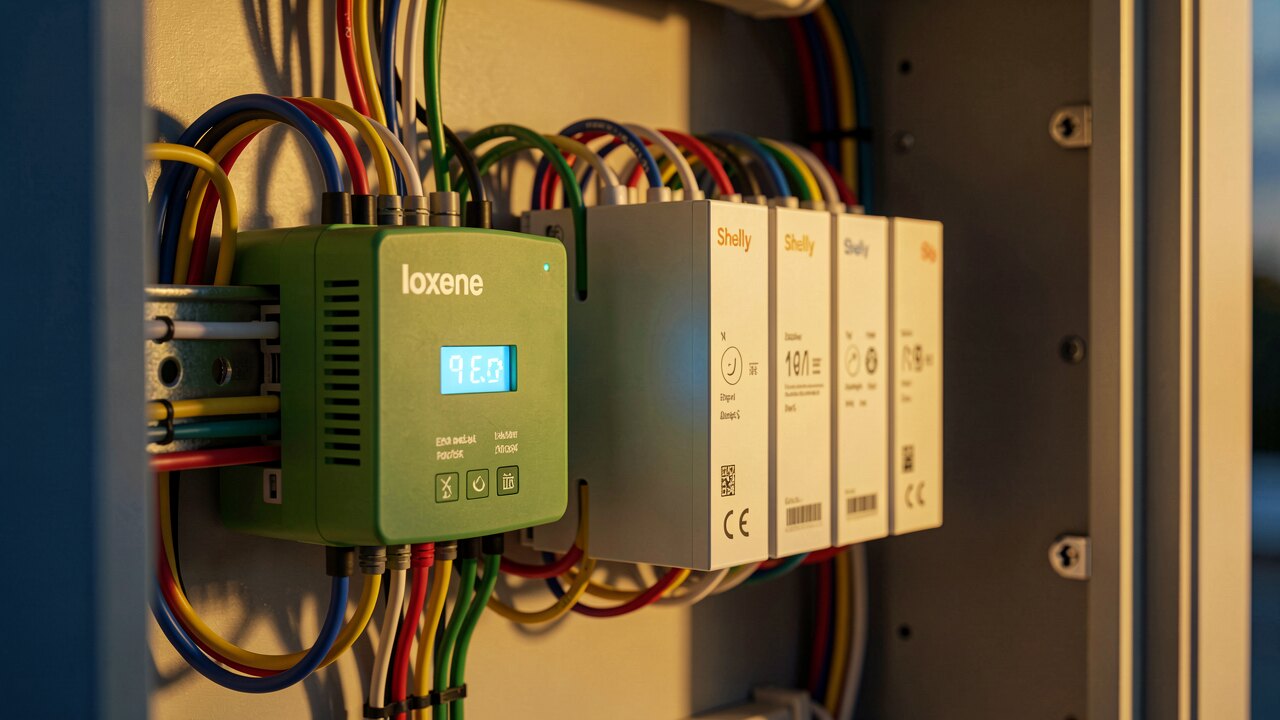
PV systems from 25 kWp upward can no longer take the fixed feed-in tariff. You must appoint a direct marketer who sells your power on the exchange; the state pays the market premium as a top-up covering the difference (feed-in code 688 or 689, §21 EEG 2023). Below that threshold the fixed feed-in tariff remains available. This affects the sales side, not your purchase tariff — but if you are already exposed to exchange prices when selling, an exchange-linked purchase tariff at least puts both sides on the same price logic.
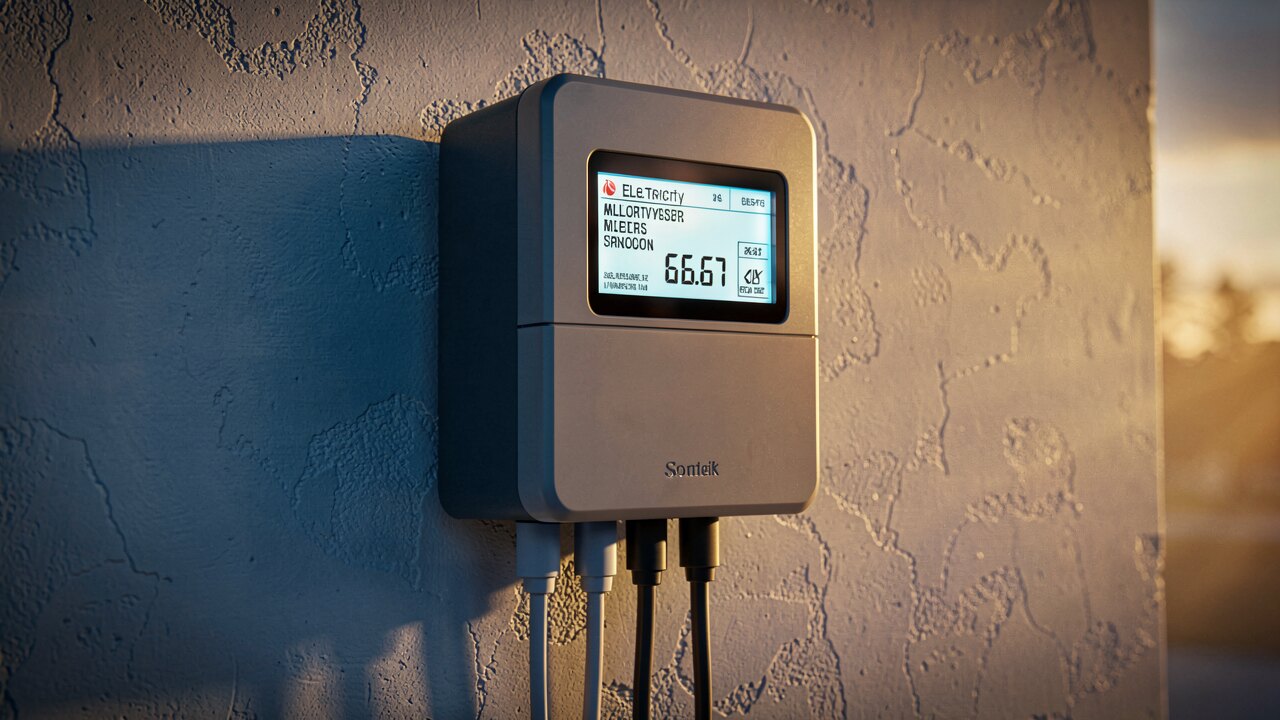
Storage stores cheap midday solar and releases it in the evening. Self-consumption typically rises from around 30% to over 70%. A worked household example: 10 kWp PV with a 10 kWh battery and 4,000 kWh annual consumption reaches roughly 65% self-sufficiency and about €850 saved per year. That shrinks your residual grid purchase — and every kilowatt-hour you no longer buy is one no tariff can price. If a battery is on your list, size it first, then choose the tariff for the remainder.
Compare the full price per kilowatt-hour, not the exchange-price component alone: supplier margin, monthly base fee, and any metering charge for the iMSys. Look at contract term and price guarantee — with a dynamic tariff there is no guarantee on the exchange part by design, so what matters is how fixed the surcharge is and how short the notice period. Finally, model your own load profile, not an average household: a PV owner buys most in the evening and in winter, and that profile is exactly the one an average comparison hides.