Which Electricity Tariff Suits a Photovoltaic System?

If you run a PV system, the right electricity tariff is usually a dynamic (market-linked) one, because it lets you buy grid power when it is cheap and get the most out of self-generated solar. This page explains the tariff types, how feed-in pay works alongside them, and when a dynamic tariff actually saves money.
For most PV owners the best fit is a dynamic electricity tariff. Its price follows the wholesale market (EPEX day-ahead, hourly contracts), so it is high at peak demand and low — sometimes even negative — when solar and wind flood the grid. With PV you already cover the sunny midday hours yourself; a dynamic tariff then lets you cover the rest at the cheapest available hours. A fixed tariff only makes sense if you cannot shift any consumption and want price certainty.

There are three common models. Fixed tariffs charge one price per kWh regardless of the market. Variable tariffs adjust periodically (e.g. an averaged monthly price). Dynamic tariffs change hour by hour with the exchange price. Since 2025 all electricity suppliers in Germany are required to offer variable and dynamic tariffs, so PV households can now access market-linked pricing everywhere.
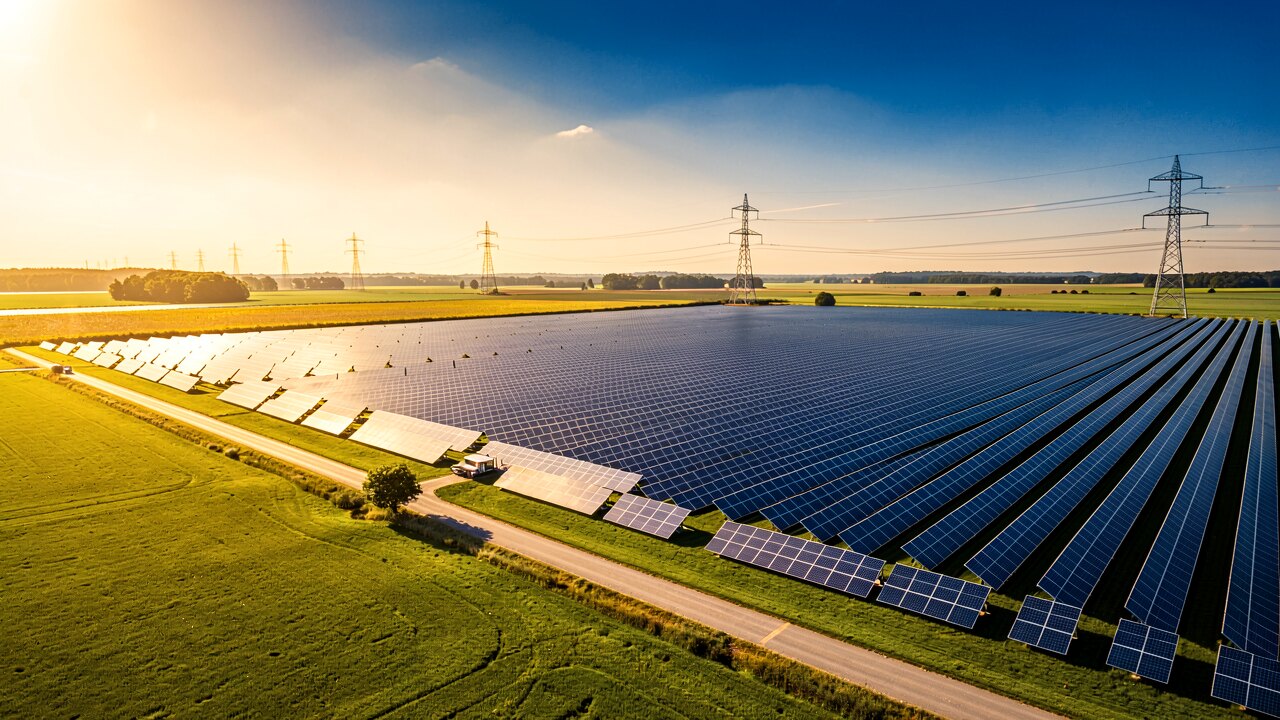
Your electricity tariff covers the power you draw from the grid. The power you export is paid separately as feed-in remuneration under the EEG — you are not billed and paid on the same rate. For tendered commercial plants the applied value (anzulegender Wert) sits around 7.1 ct/kWh in our reference case, plus a small management premium (about 0.12 ct/kWh); smaller rooftop systems fall under fixed statutory rates that depend on size and commissioning date. Treat the two flows — draw and feed-in — as two separate meters.
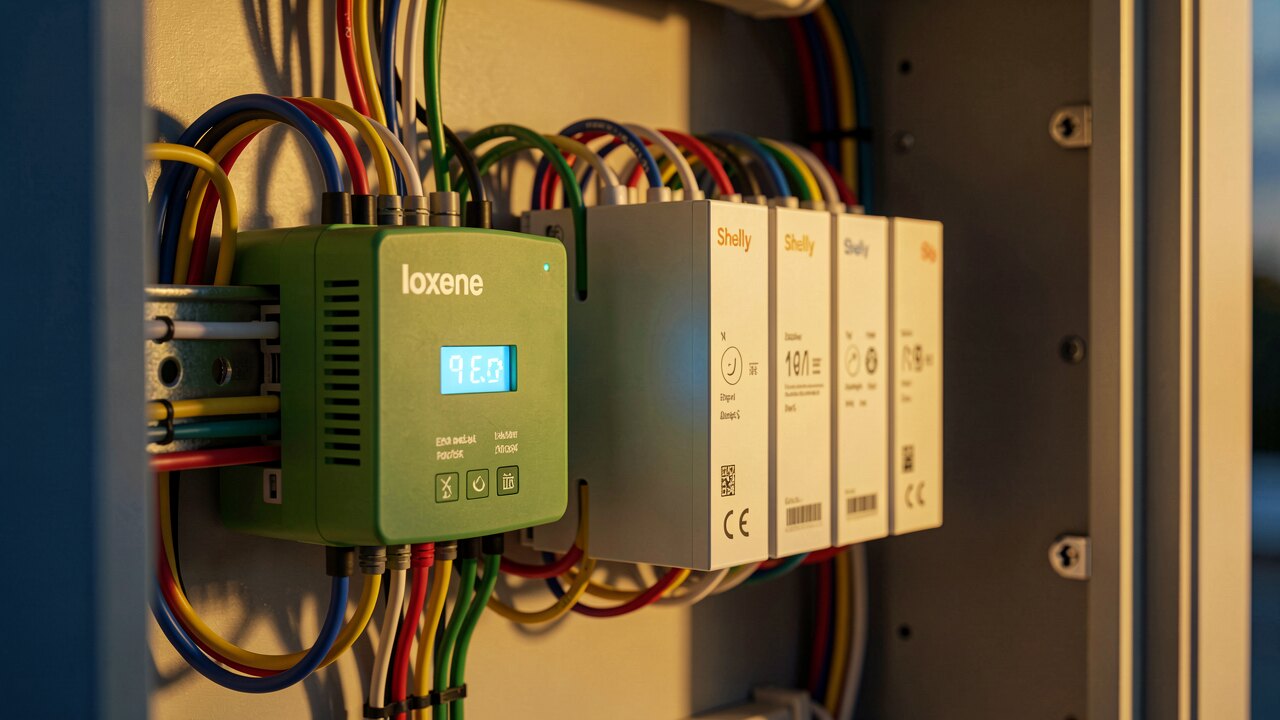
A dynamic tariff really pays off with a battery. You charge the battery from your own solar or from the grid during the cheapest (or negative-price) hours, then discharge it when prices — and your demand — are high. This day-ahead arbitrage plus higher self-consumption is where the savings come from. Without a battery you can still gain by shifting flexible loads (EV charging, heat pump, hot water) into the low-price windows.
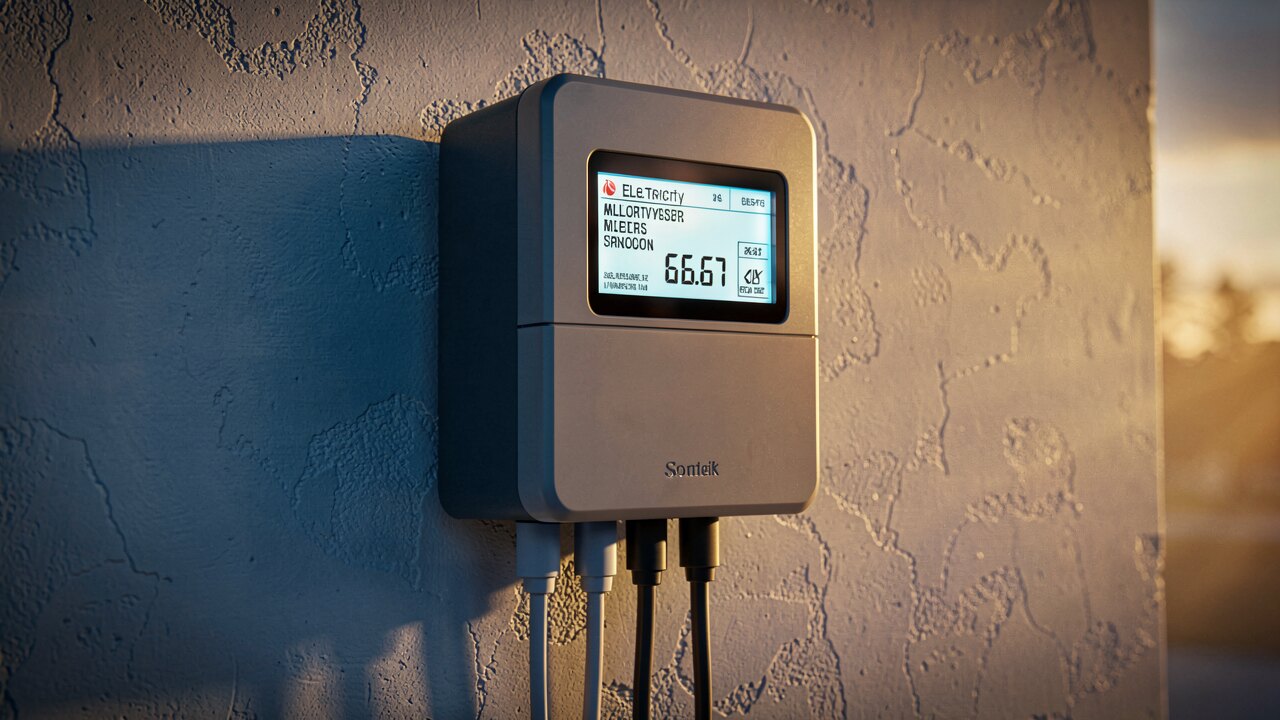
A dynamic tariff requires a smart meter (intelligentes Messsystem) so consumption can be settled hour by hour. Any automation — battery, EV wallbox, heat pump — should be able to react to the hourly price signal, either through the supplier's app or an energy manager. Without that automation the theoretical savings of a dynamic tariff often go unused.
If your consumption is flat and cannot be moved, you have no battery or controllable loads, and you have no smart meter, a dynamic tariff mostly adds price risk without upside. In that case a fixed or variable tariff is the safer choice. The value of a dynamic tariff scales directly with how much load you can actually shift into cheap hours.