Zero Feed-In PV (Nulleinspeisung): What It Means
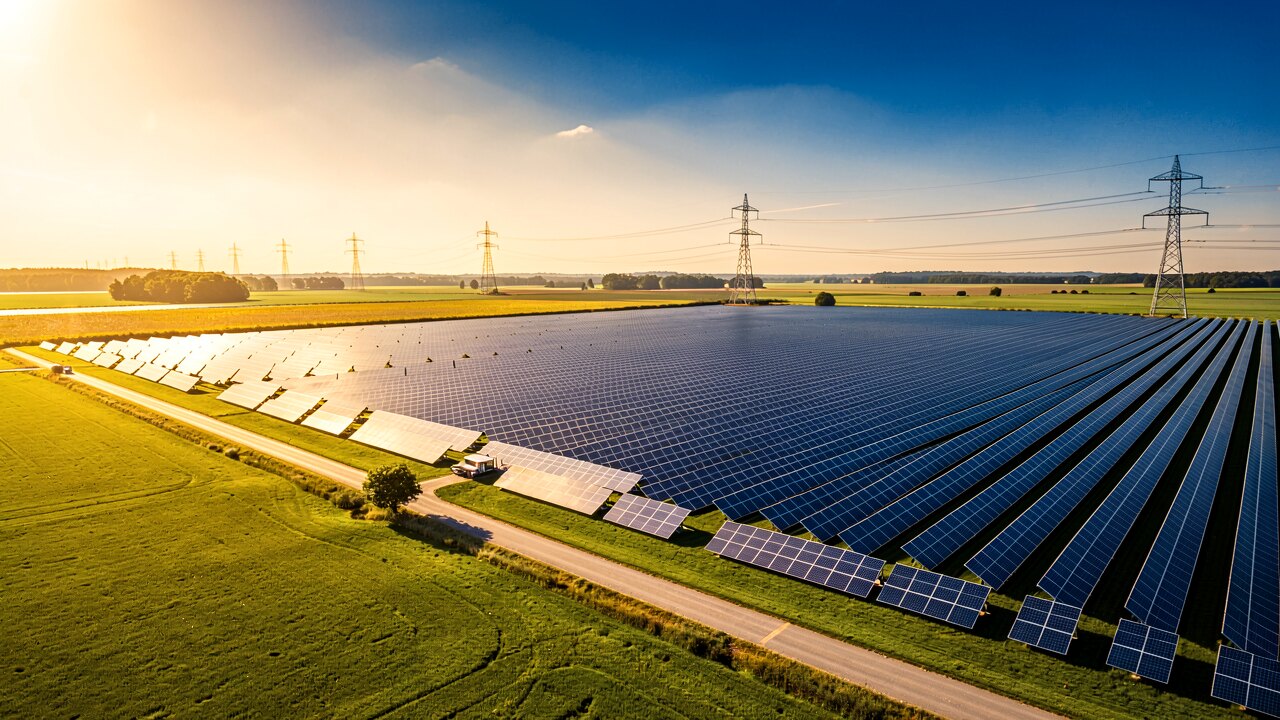
"Nulleinspeisung" is German for zero feed-in: a PV system that consumes all its solar power on site and exports nothing to the public grid. A meter at the grid connection point measures export in real time and throttles the inverter so the feed-in stays at 0 watts.
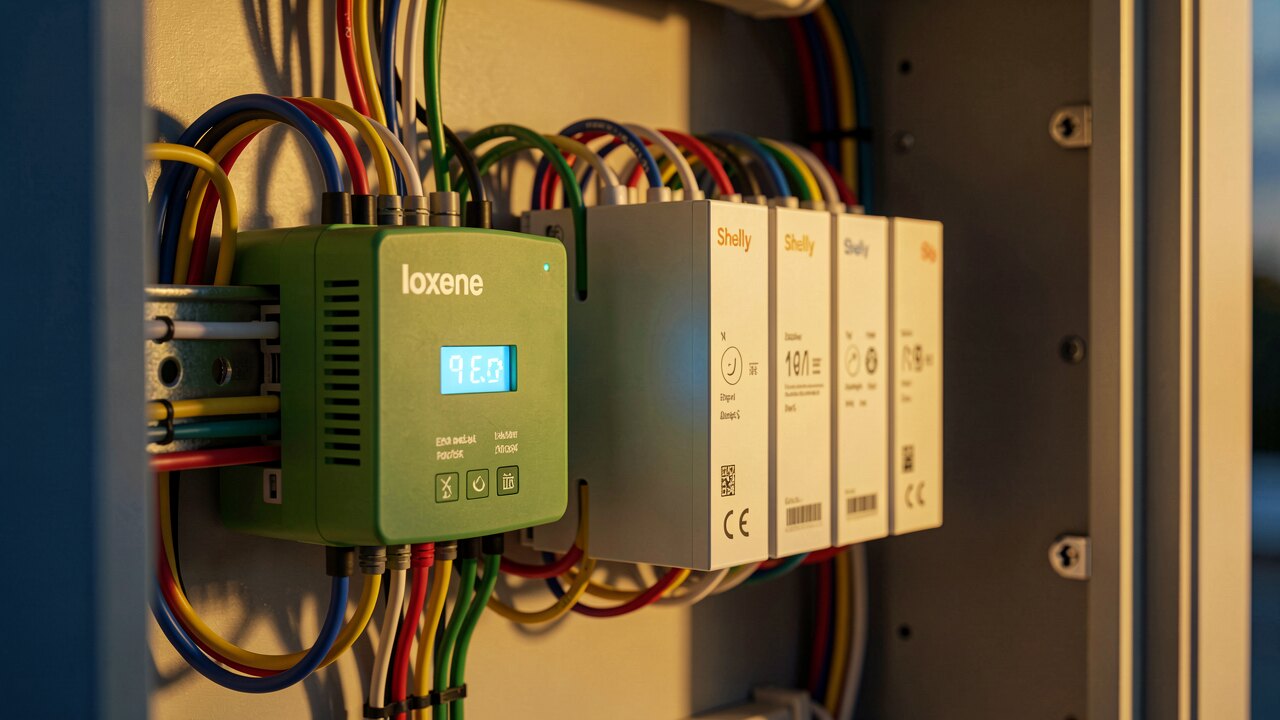
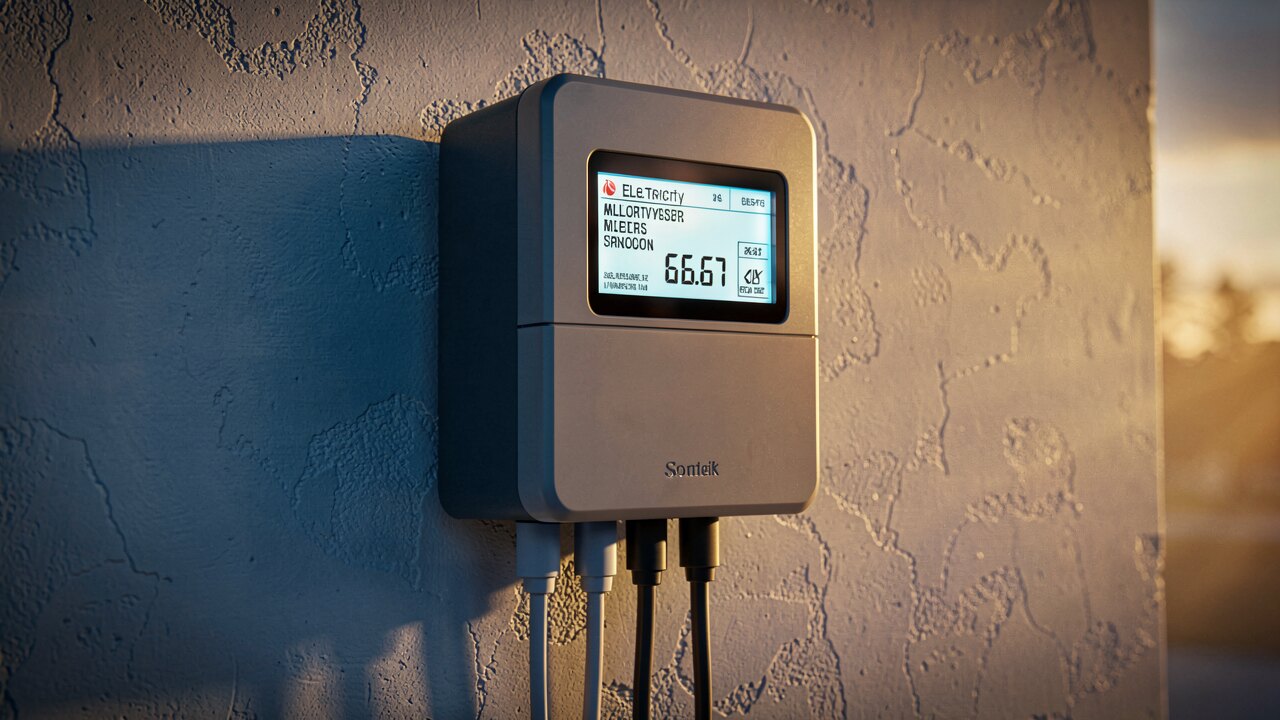
A smart meter (or CT clamp) at the grid connection point continuously measures the power flowing outward. The reading is sent to the inverter or an energy manager, which reduces PV output the instant export would occur. In practice the controller keeps a small safety margin (a few watts of grid import) so no measurable power ever crosses into the grid. If a battery is present, surplus solar charges the battery first; only when both self-consumption and the battery are saturated does the system curtail production.
Three common reasons: (1) the grid operator has not granted a feed-in permit, or the process is too slow; (2) the owner wants to avoid metering, registration or direct-marketing obligations that come with exporting; (3) avoiding losses at negative market prices. Under the German Solarspitzengesetz (BGBl 2025 I No. 51, §51 (1a) EEG), plants of 100 kWp and above lose the market premium for every single hour of negative spot price. Curtailing to zero feed-in during those hours sidesteps that penalty.
Zero feed-in means any solar power you cannot use or store on site is simply thrown away — the inverter ramps down and that energy is never produced. On a sunny midday with low load, curtailment can be substantial. Zero feed-in only makes economic sense when self-consumption is high (a strong on-site load or a well-sized battery), because the value comes from replacing grid purchases, not from selling electricity.
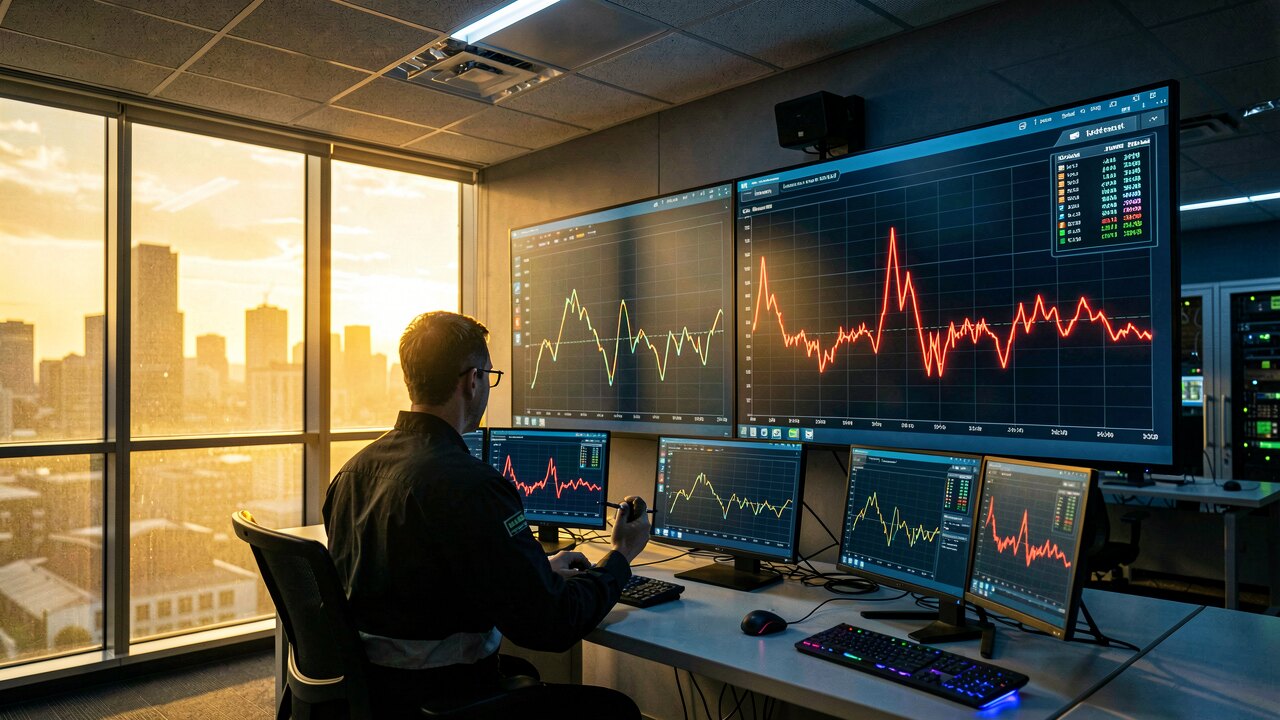
Zero feed-in (0 %) is the strictest case. Many systems instead use a soft export cap — for example limiting feed-in to a fixed percentage of the plant's rated power. Limited feed-in keeps some export revenue while still shaving the peak that would otherwise need grid-operator approval or trigger penalties. If your goal is simply to keep the connection application easy, a modest export limit is often enough; true zero feed-in is only needed when the grid operator requires it or export has negative value.
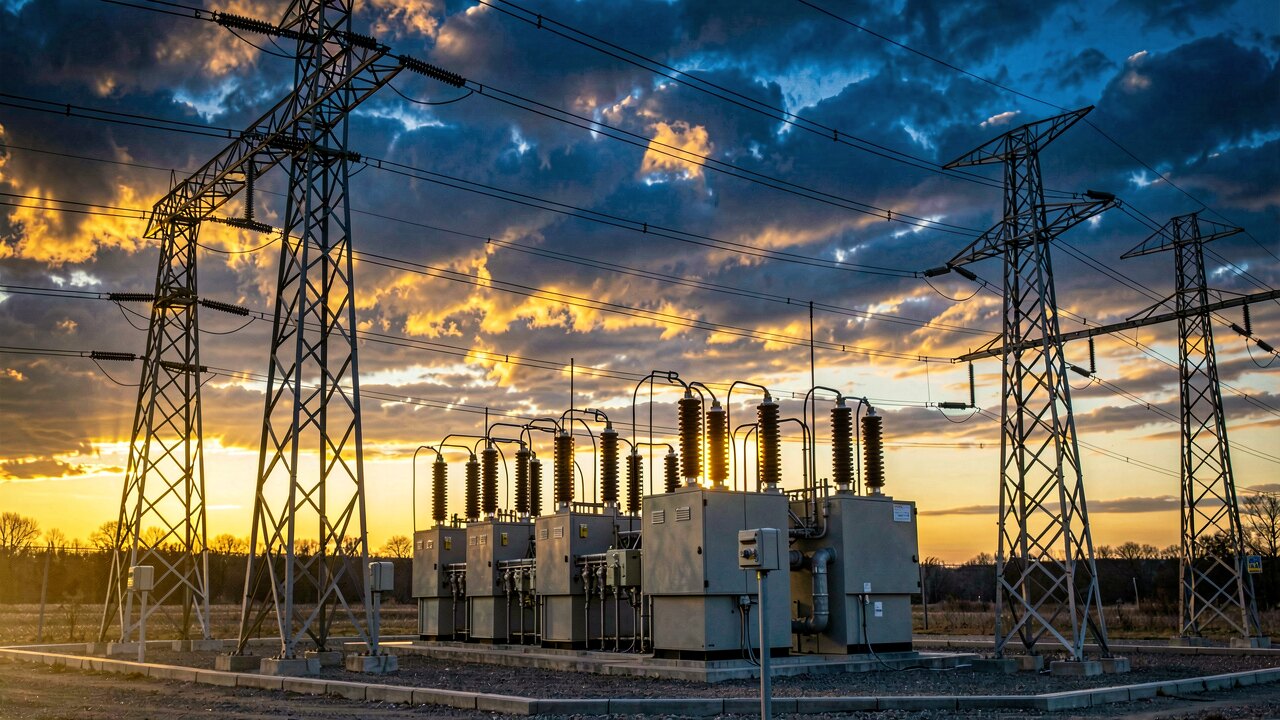
You need three things: an inverter that accepts an external power-limit command (most modern string and hybrid inverters do), a bidirectional meter or CT sensor at the grid connection point, and a controller/energy manager that closes the loop between them. Response time matters — the faster the control loop, the smaller the safety margin and the less energy you waste. A battery storage system dramatically increases how much solar you can keep instead of curtailing.
Choose zero feed-in if the grid operator won't allow export, if you have strong daytime consumption or storage, or if export currently costs you money (e.g. negative-price hours for larger plants). Choose limited or full feed-in if you have low on-site load and want to monetise surplus solar — curtailing everything would waste too much energy. The decision hinges on how much of your generation you can genuinely self-consume.